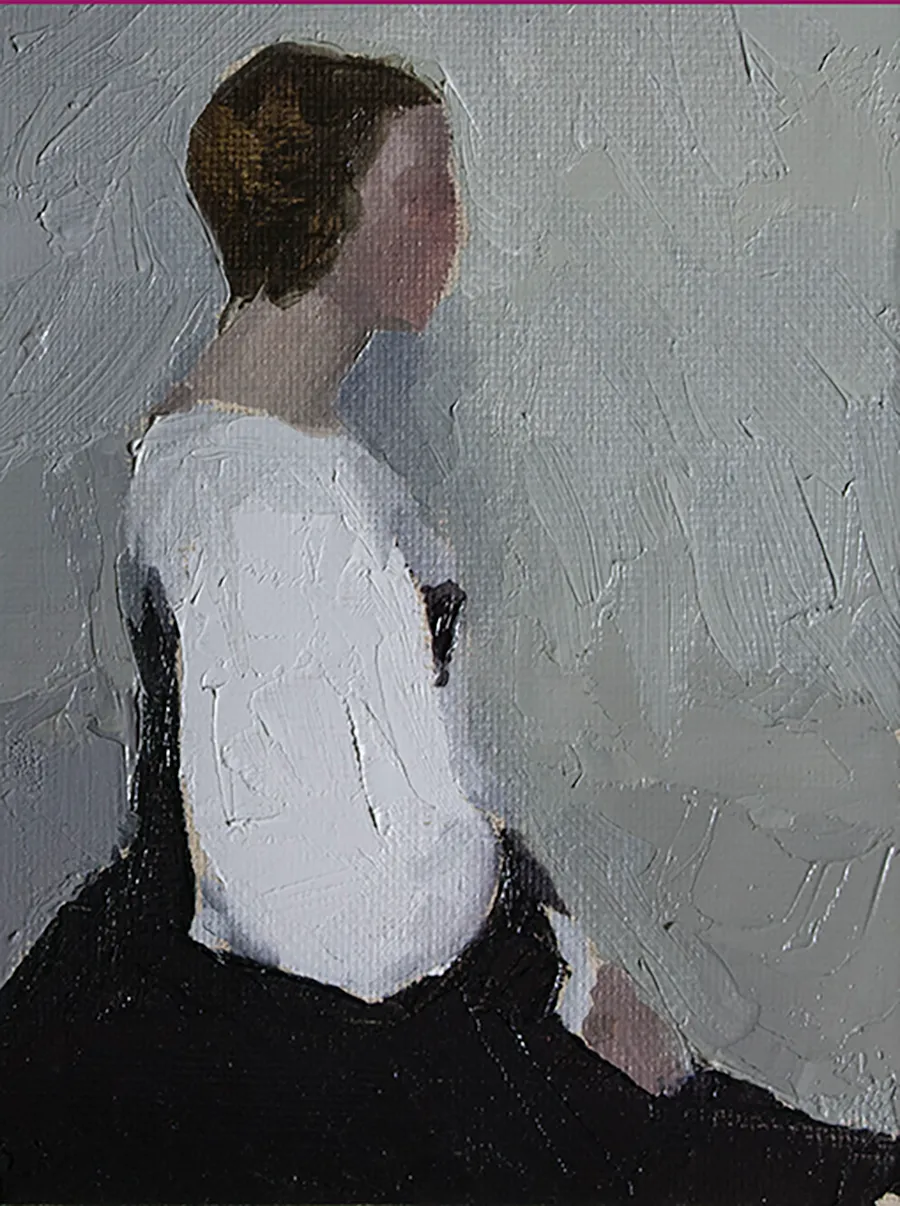
For the last seven years I've been a brand designer, building brands across healthcare. But the making started at the easel and never stopped — drawing, painting, sculpture, digital art, 3D, motion, and lately AI. I build tools, wire pipelines, and make in my free time whenever I can — I love to learn and experiment.
I make across every medium I can get my hands on — and let each new tool reshape how I make.
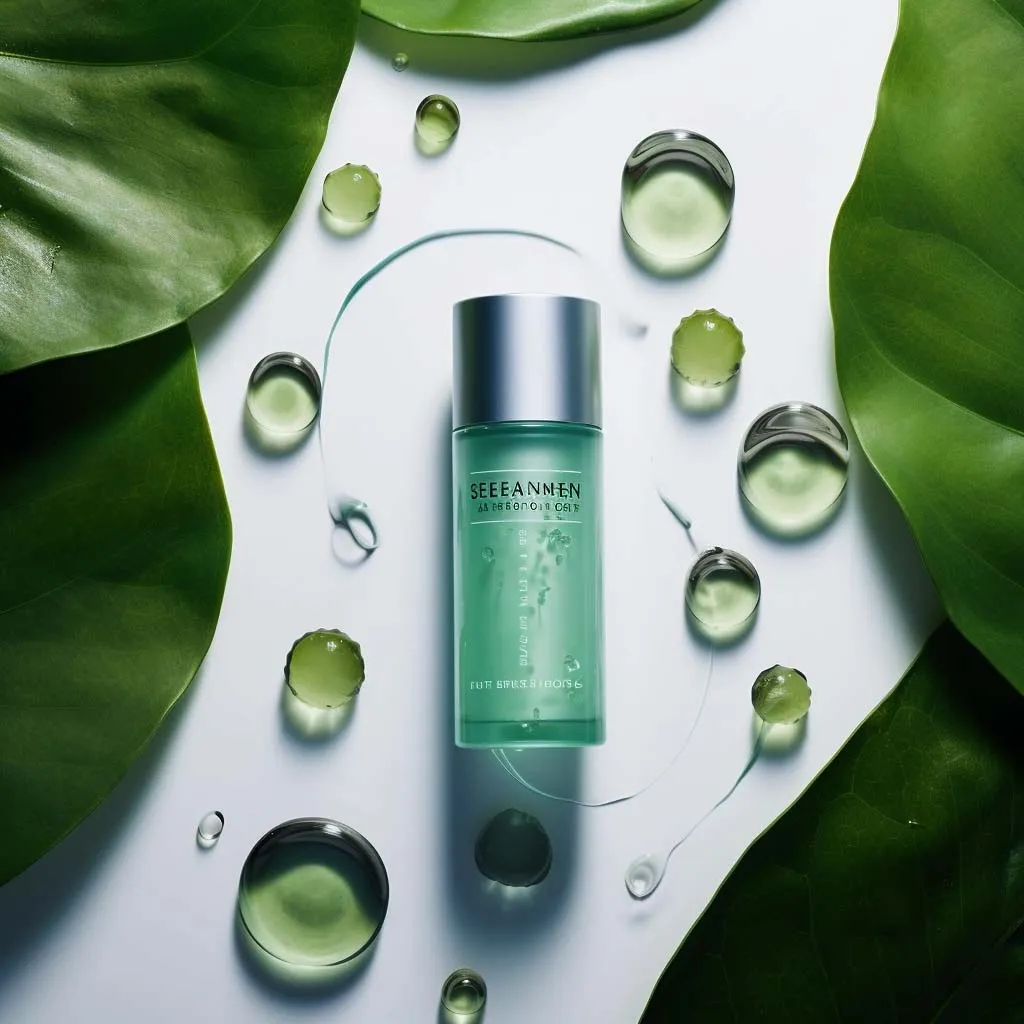
I don't just use AI — I build with it. The work below is branded lifestyle imagery: pack shots, colour systems, typography rules, and channel specs fed in as structured brand data, then generated through Gemini inside a node-based tool I built in React. Designers wire the pipeline — reference in, brand-rules check, generate, channel-fit, compliance, output — and get channel-ready lifestyle frames in minutes, not days. Last year I gave a talk, "AI for Designers," teaching the practice to my team.
AI is just the newest material on my bench. The same instinct that pulled me from graphite to oil to clay to 3D pulls me here: a new medium shows up and I have to make something with it — and, increasingly, build the tool that makes it.
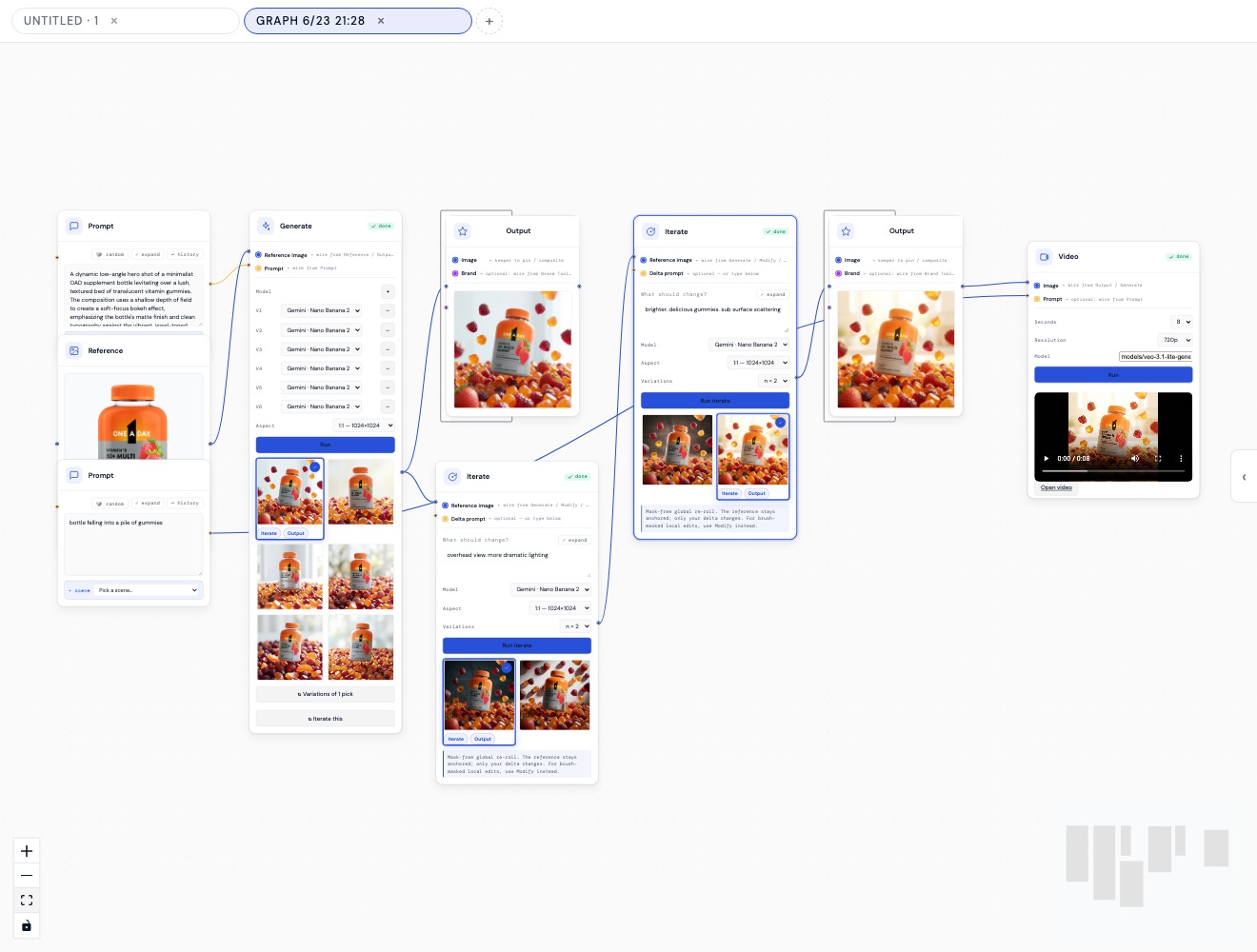
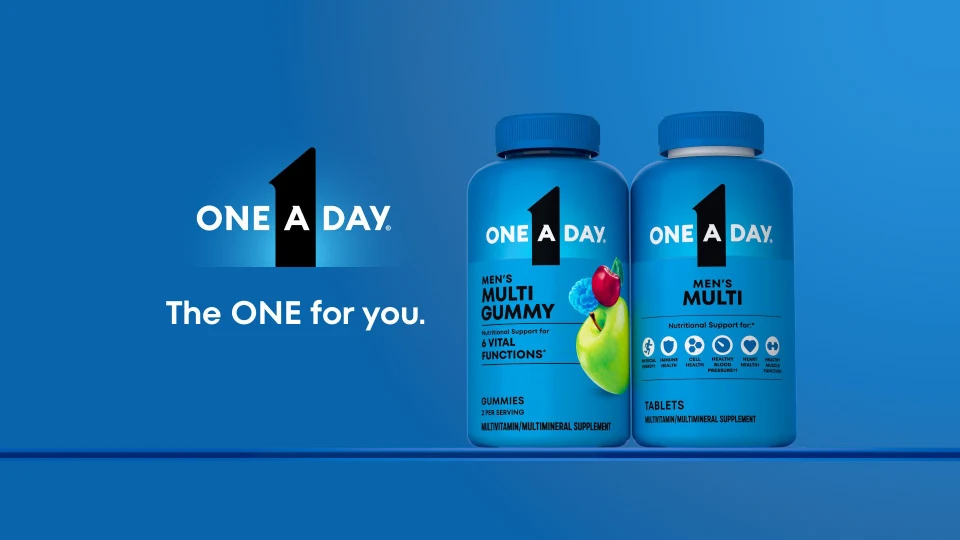
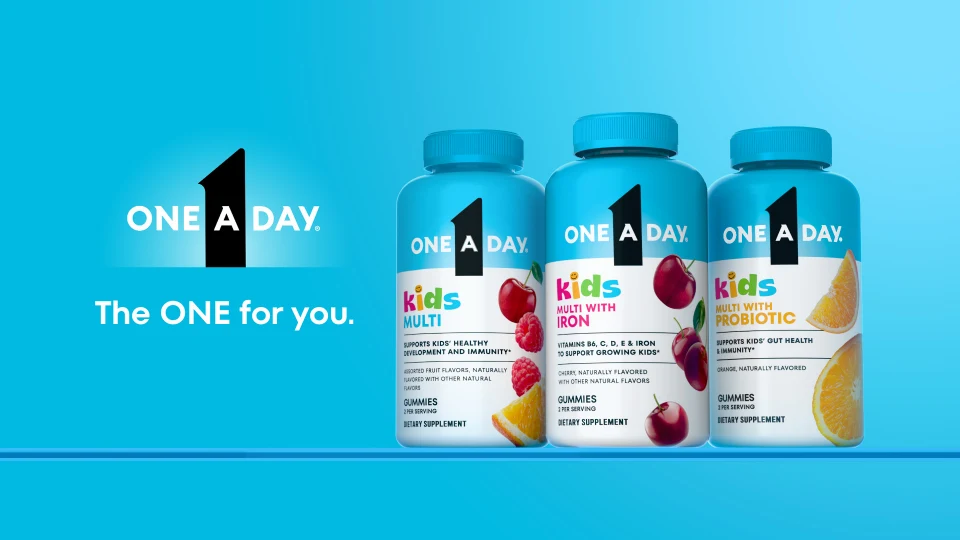
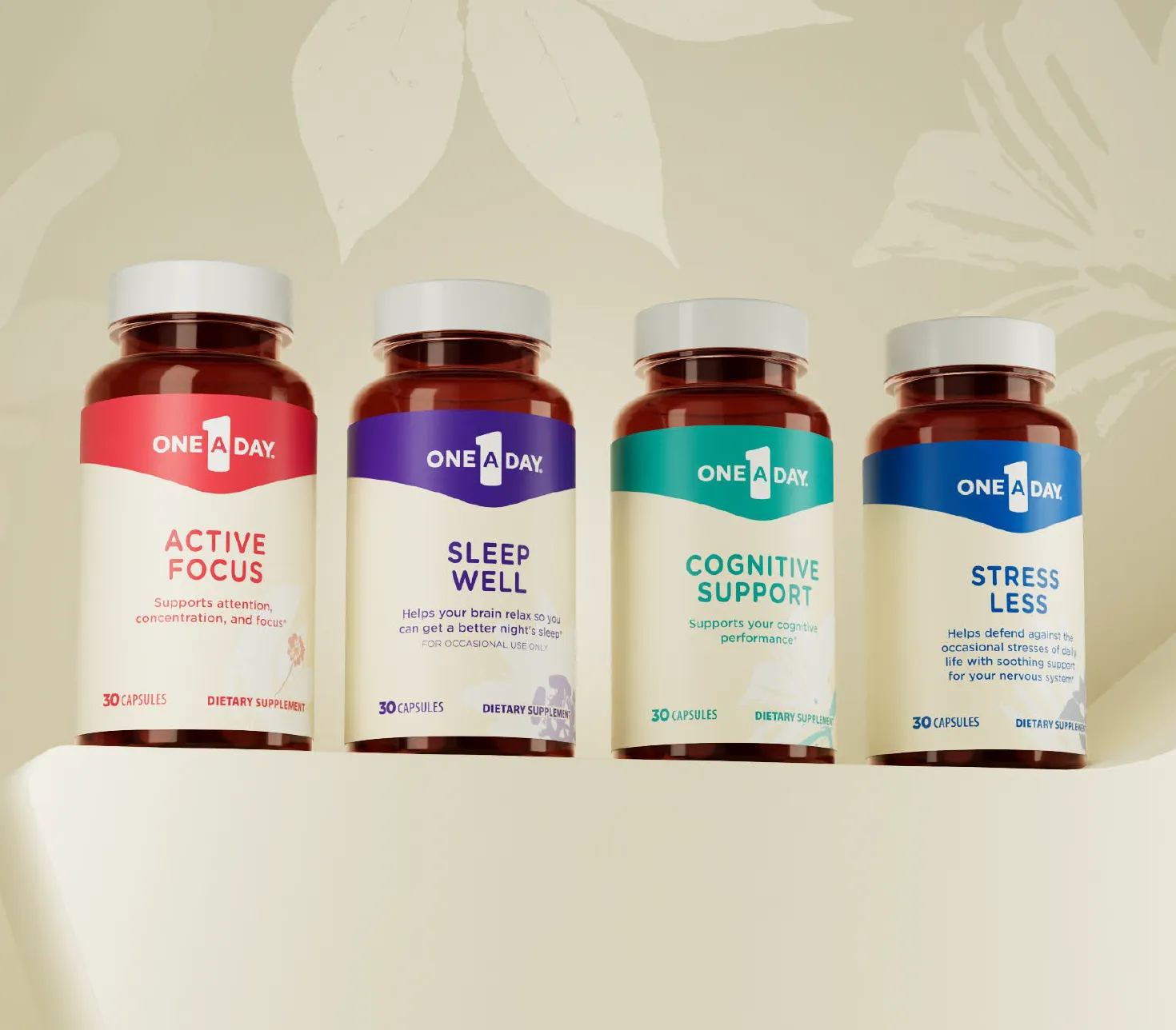
The same pipeline, at trade-show scale — lifestyle panels and close-up heroes generated through CreativeLab for One A Day’s NACDS booth. Pack reference, brand colours, and segment briefs in; booth-ready environmental graphics out. Every frame below is Gemini output from structured brand data, not photography.
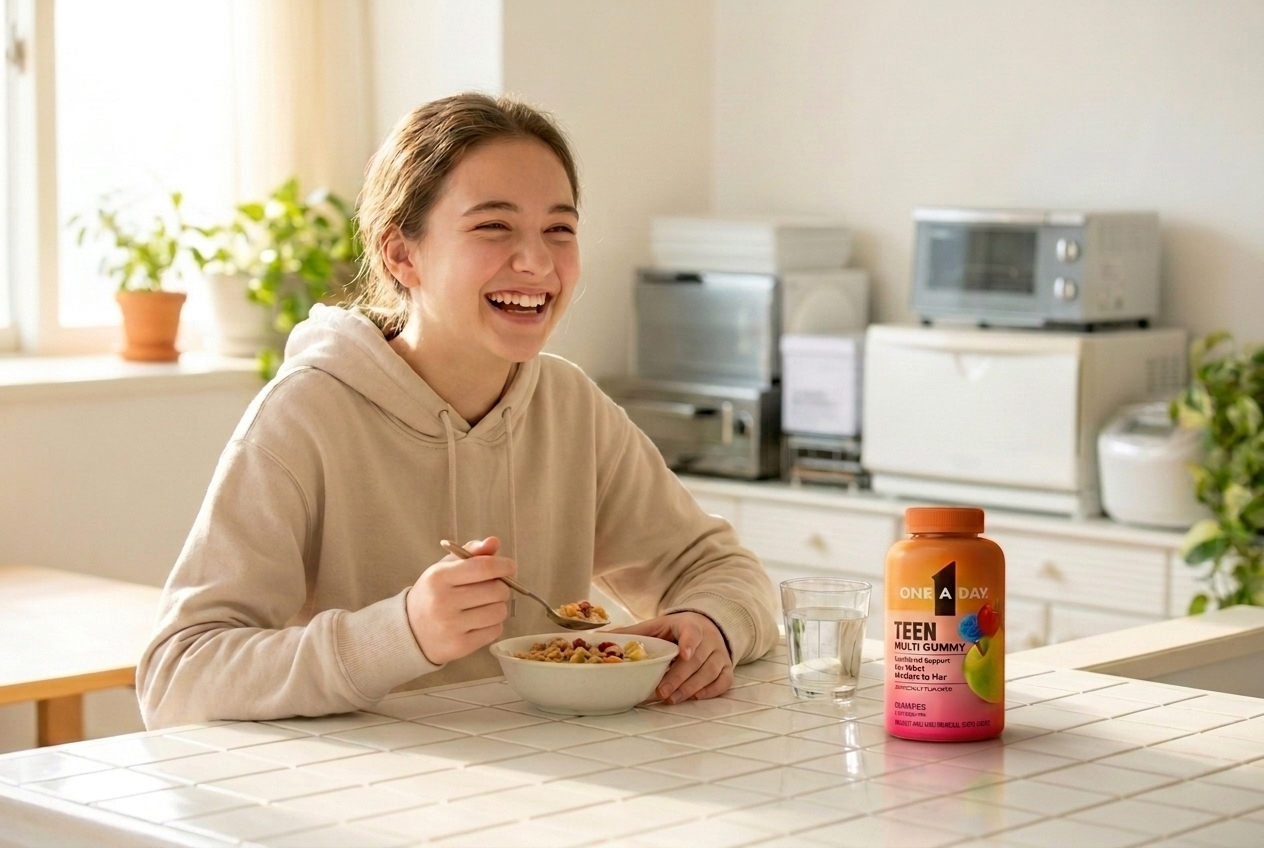
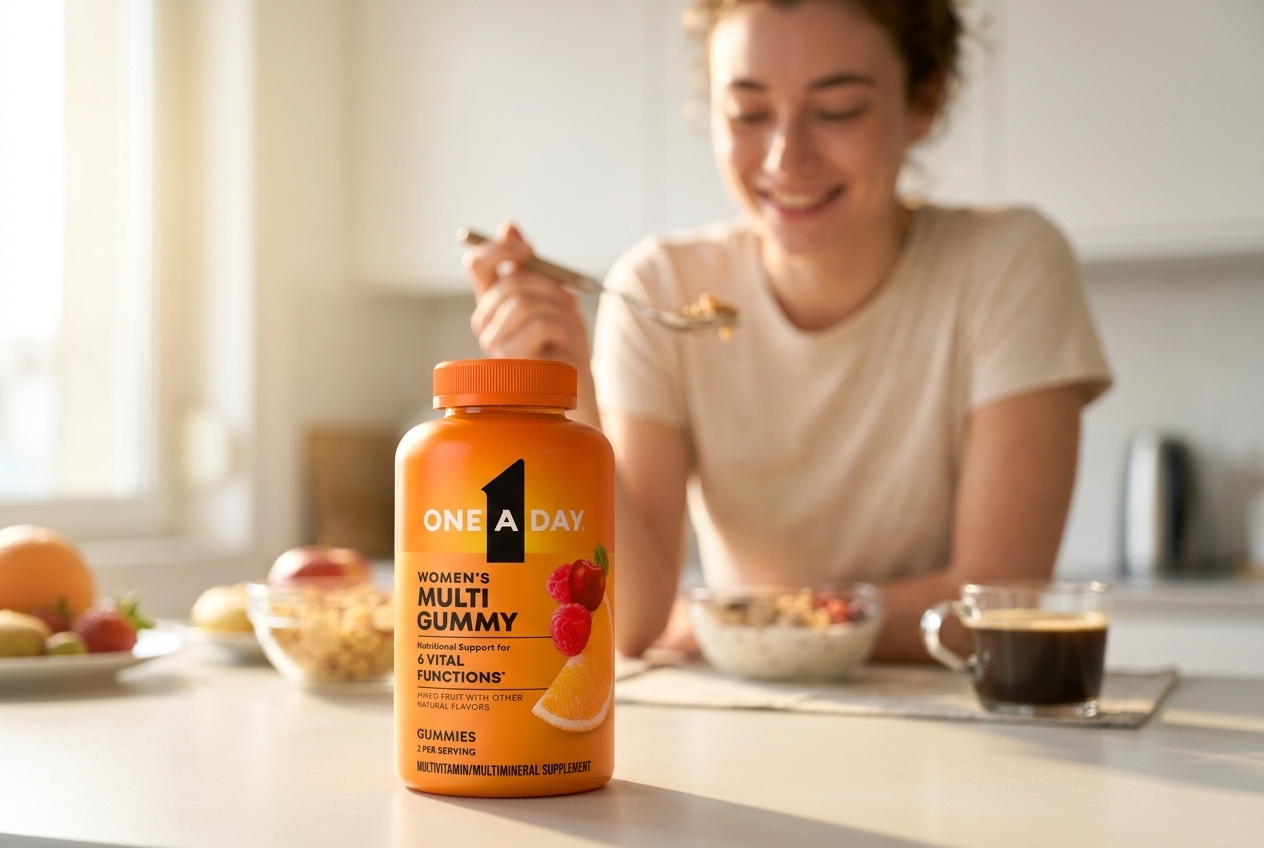
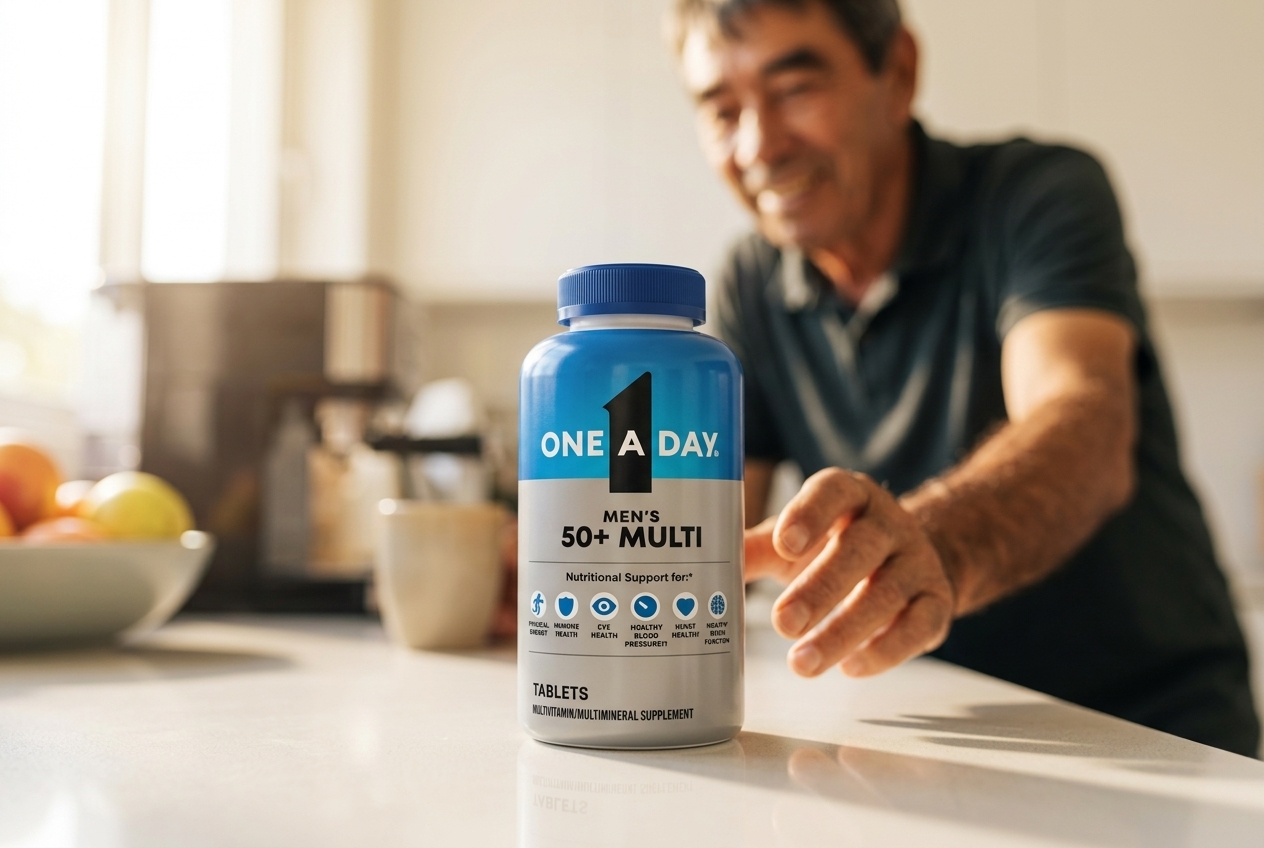
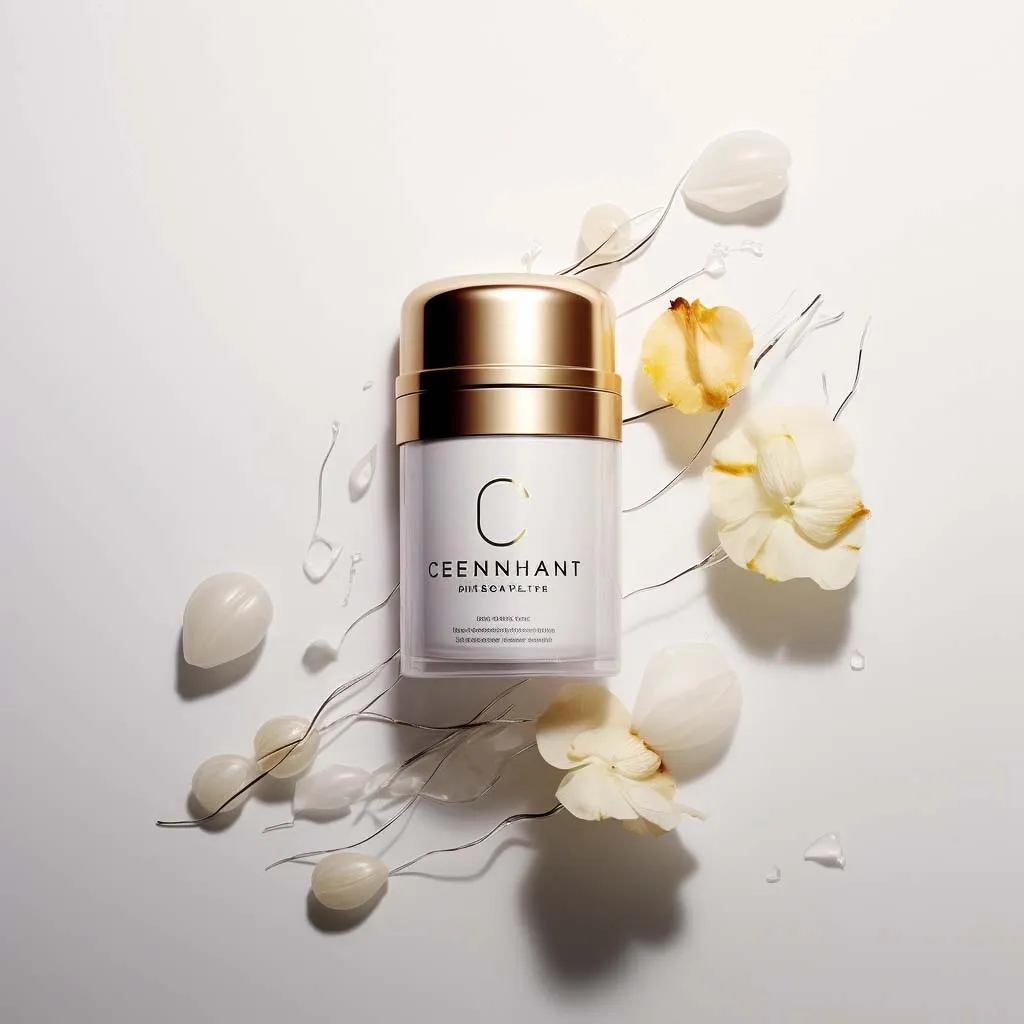
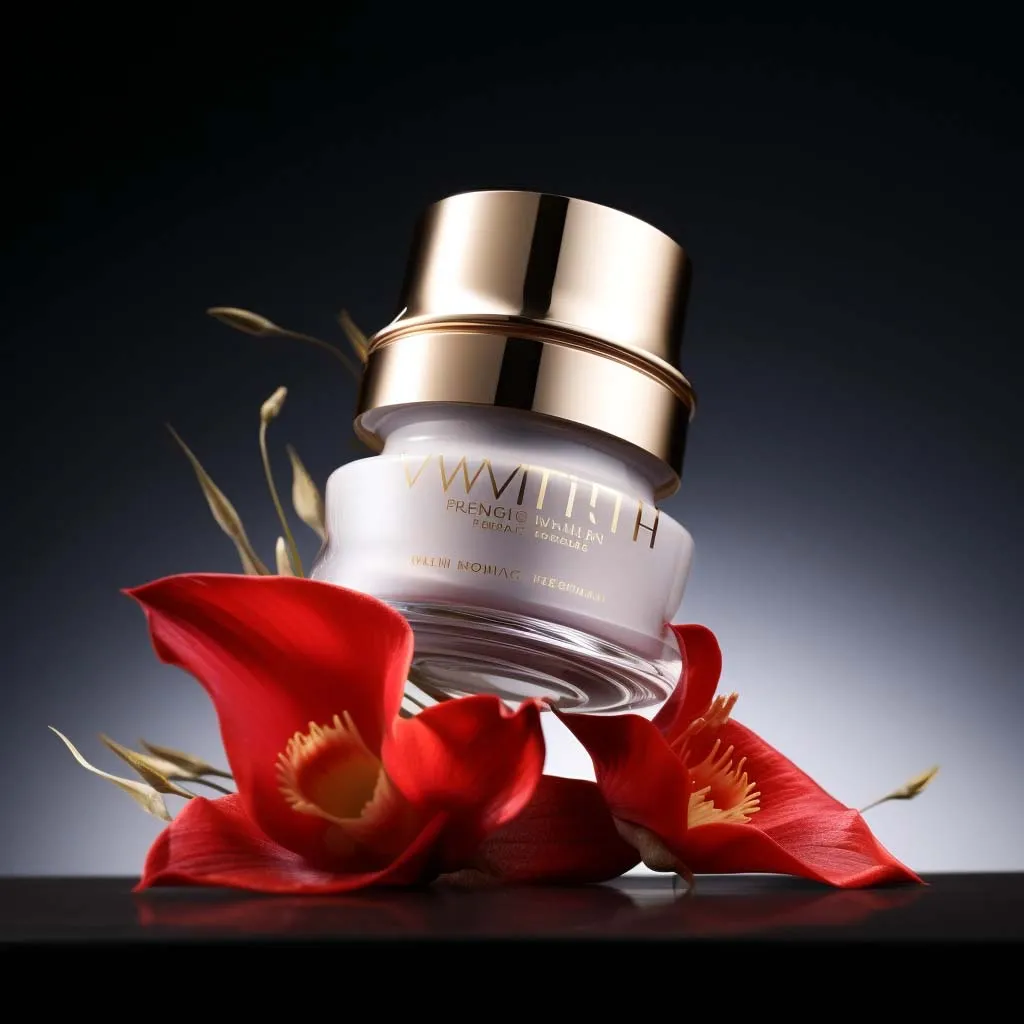
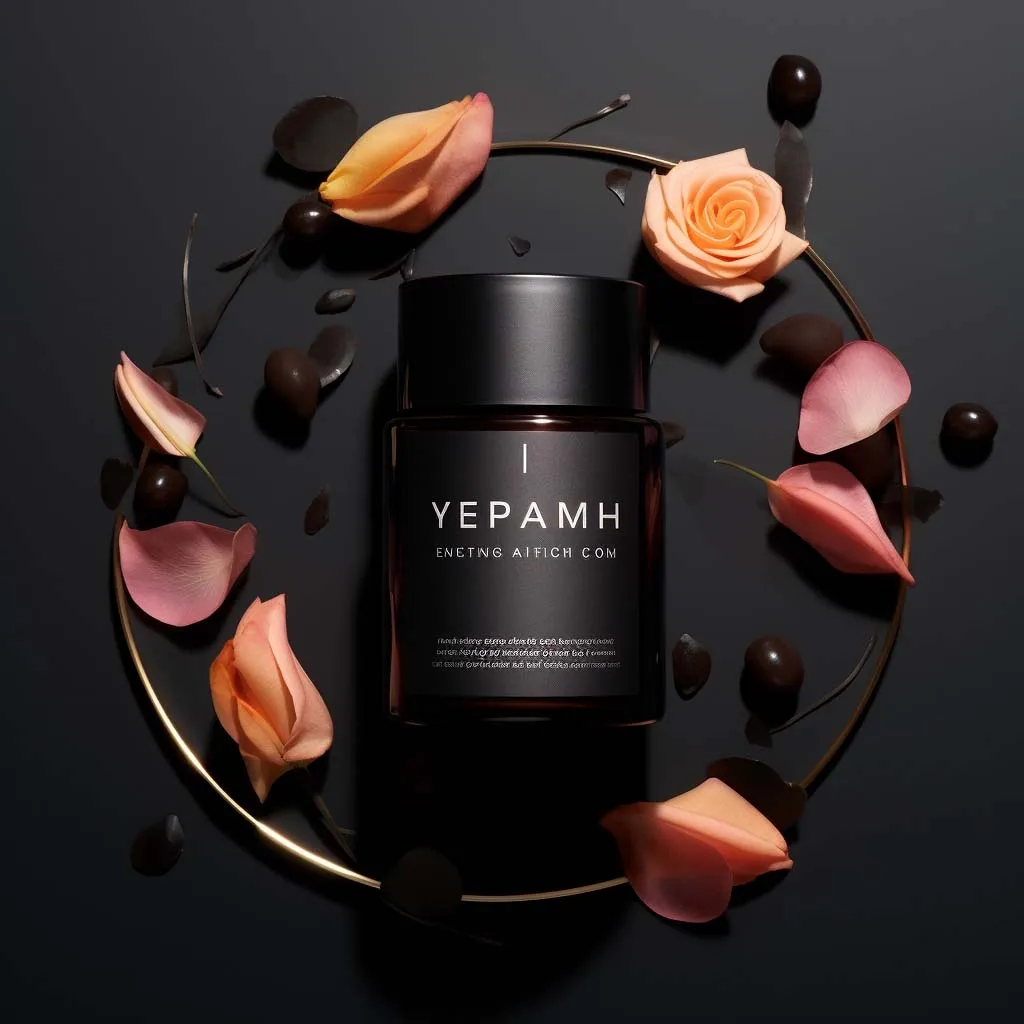
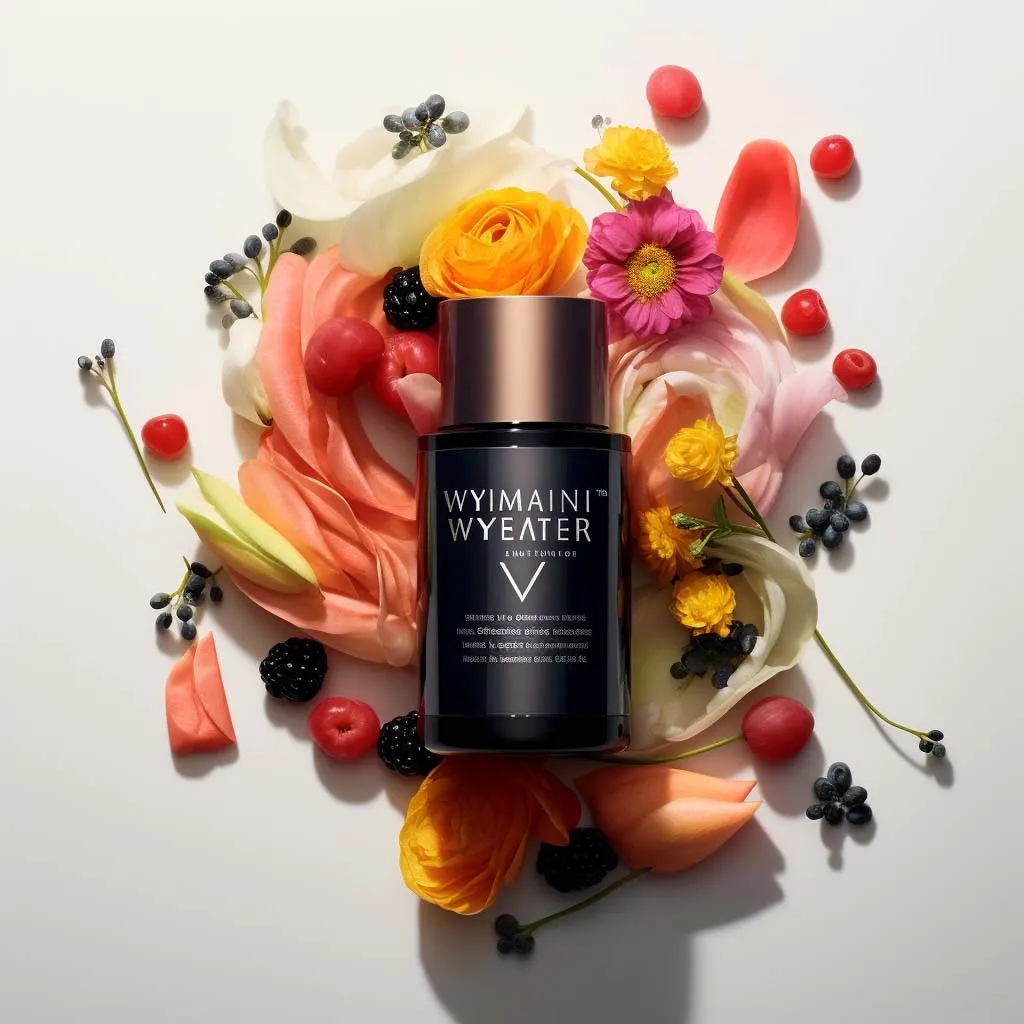
Product visualization — where I make the early calls on colour, form, and texture, fast. The tool accelerates the judgment; the judgment stays mine.
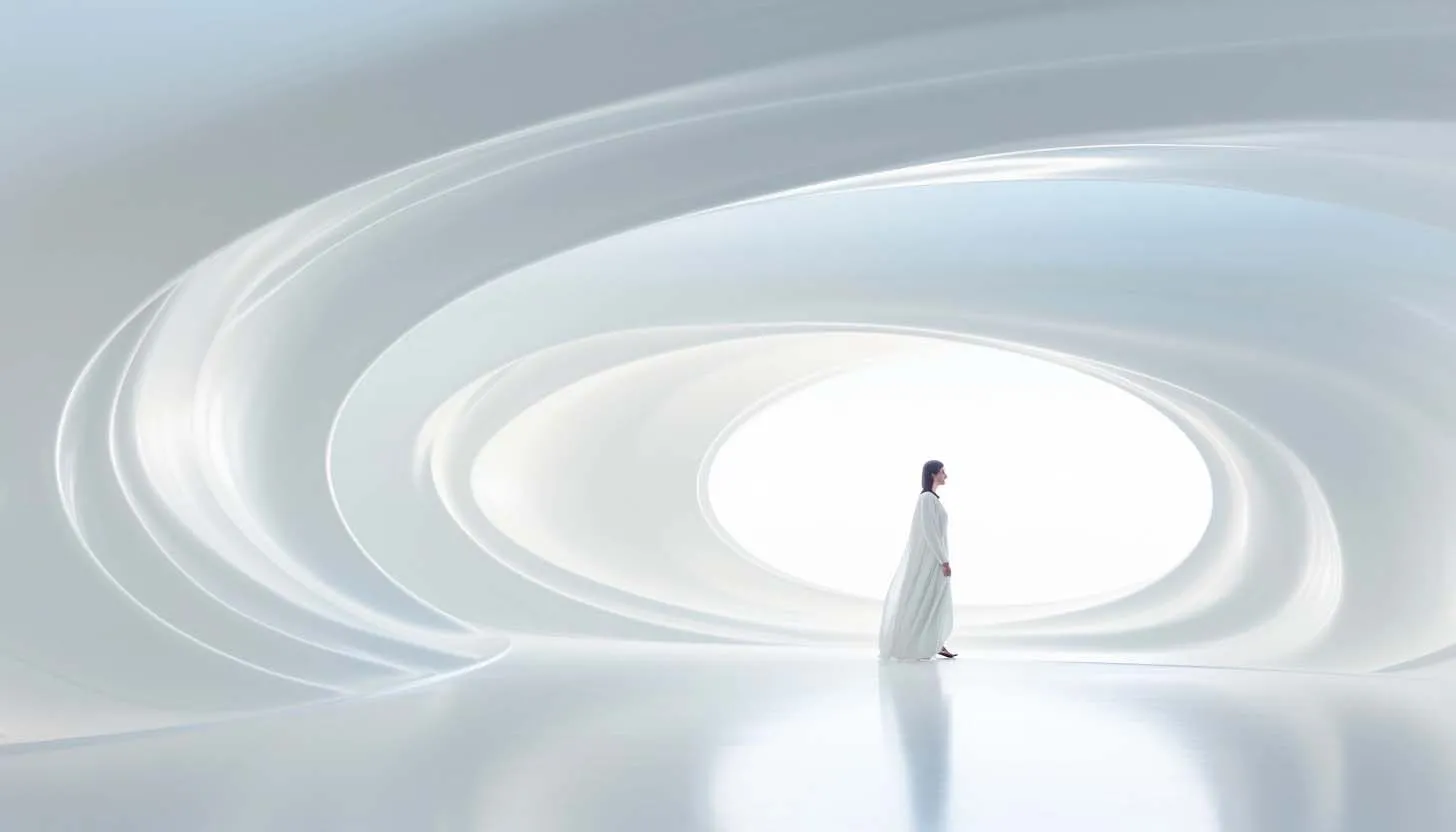
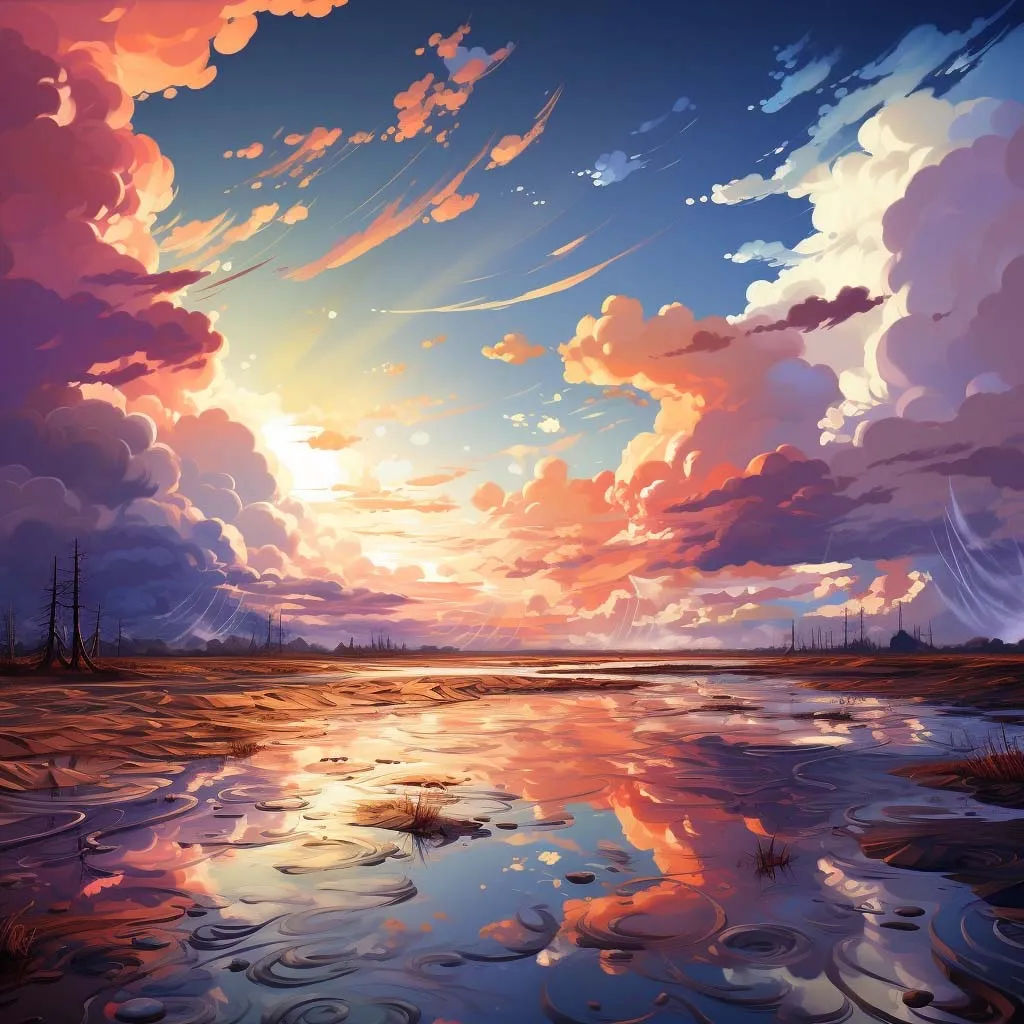
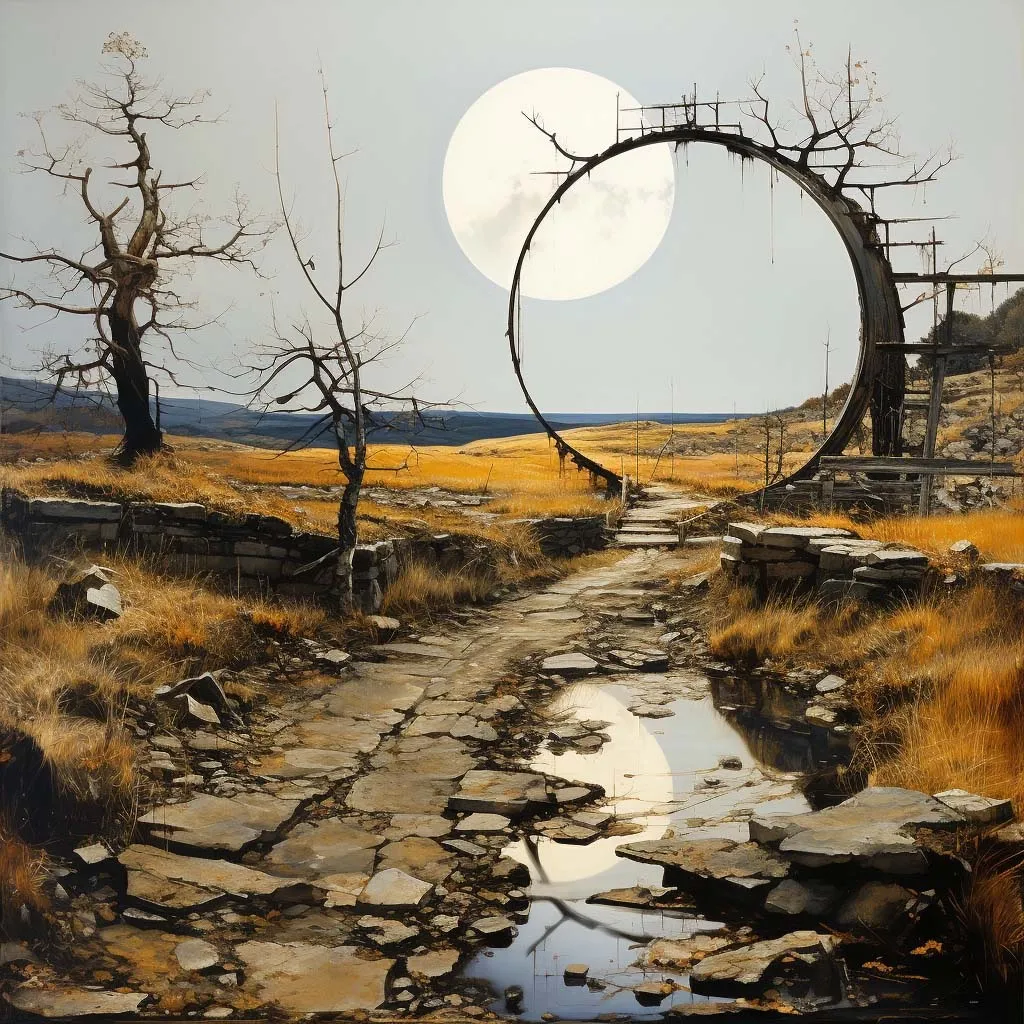
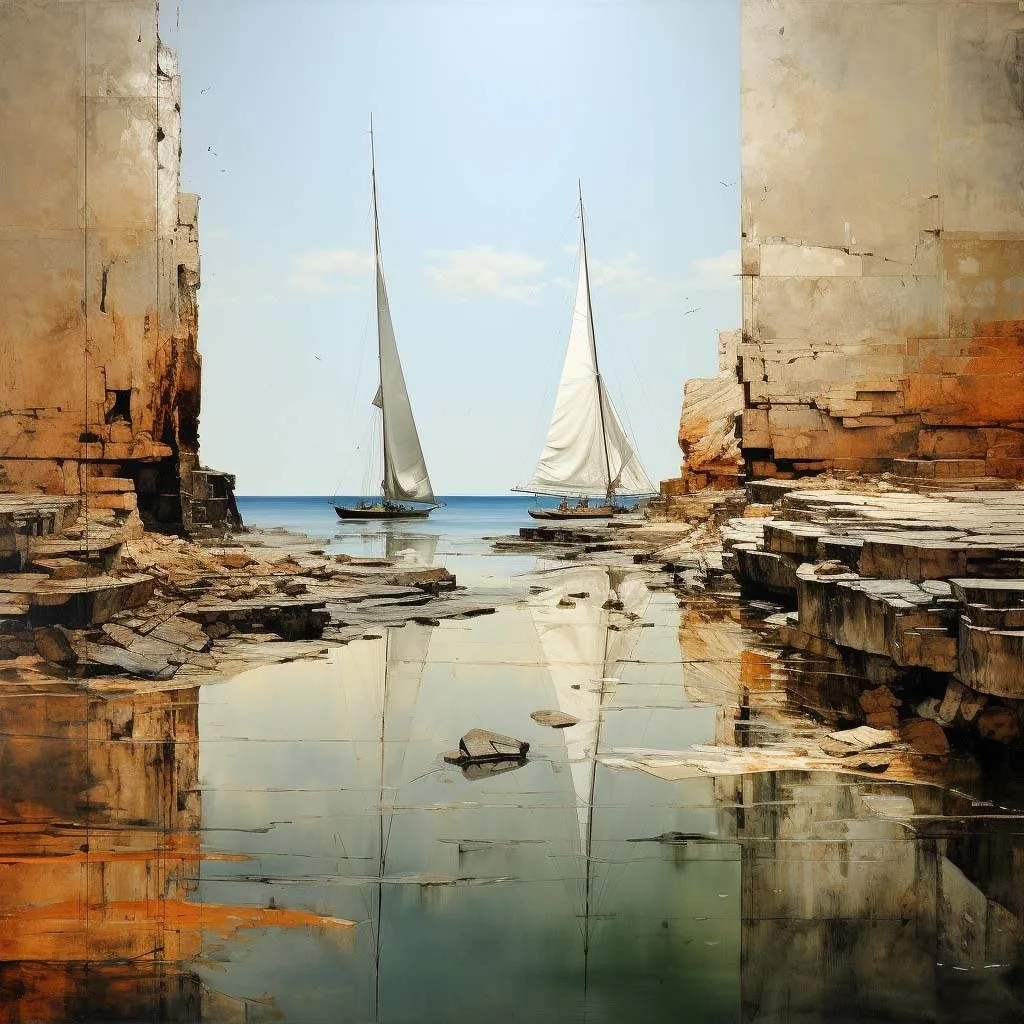
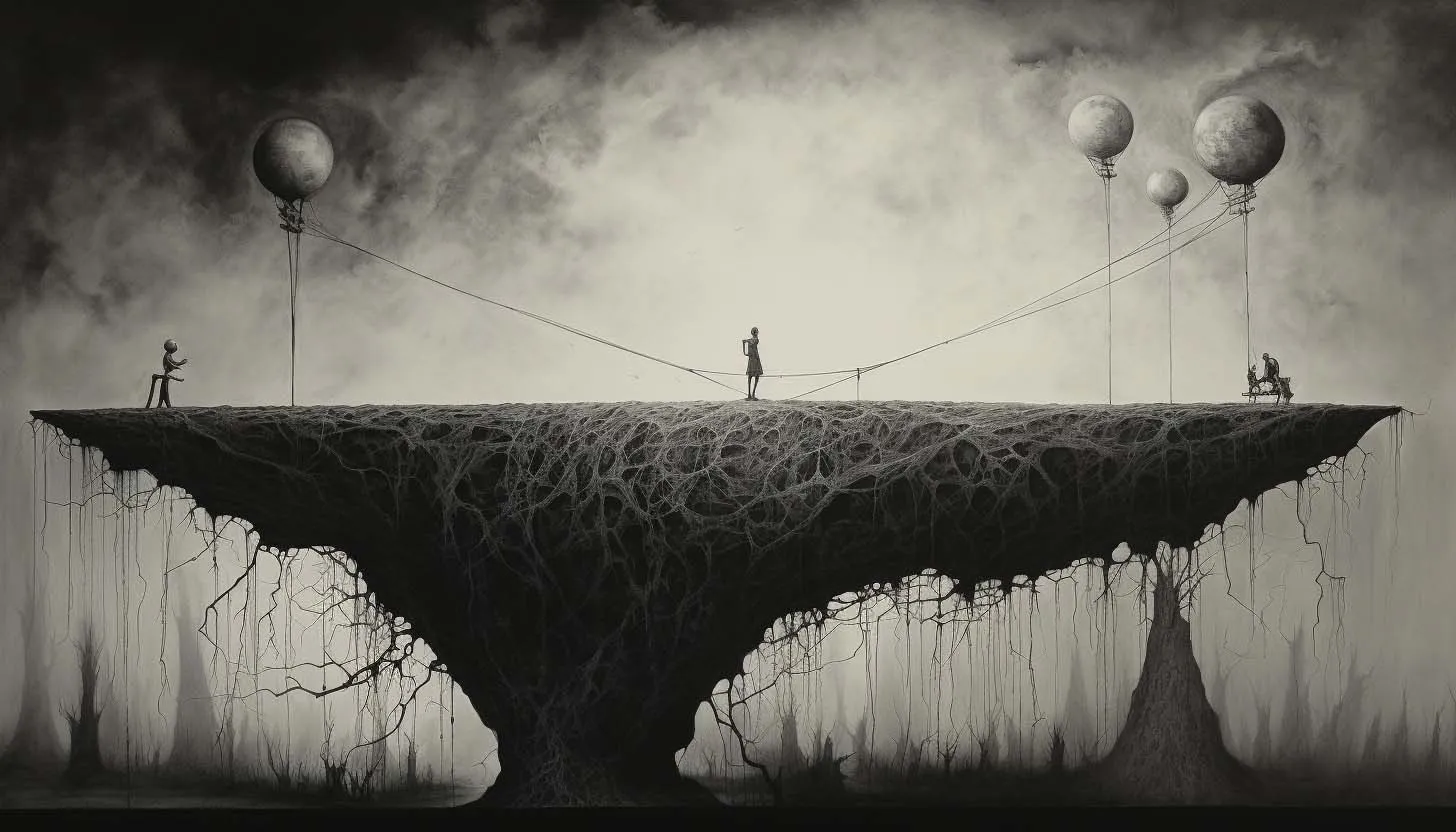
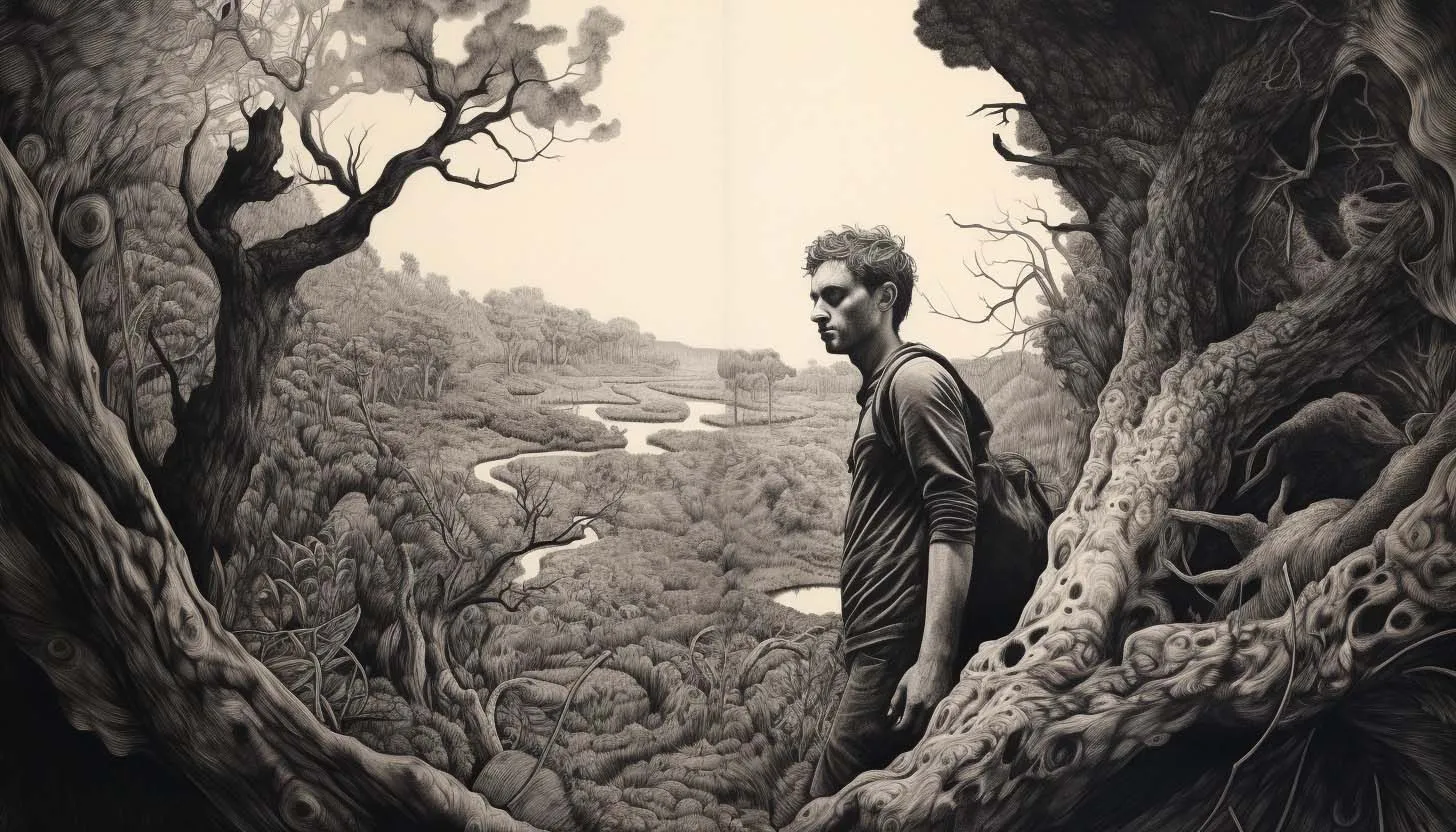
Storyboarding — written narratives turned into vivid frames for stories and mood boards.
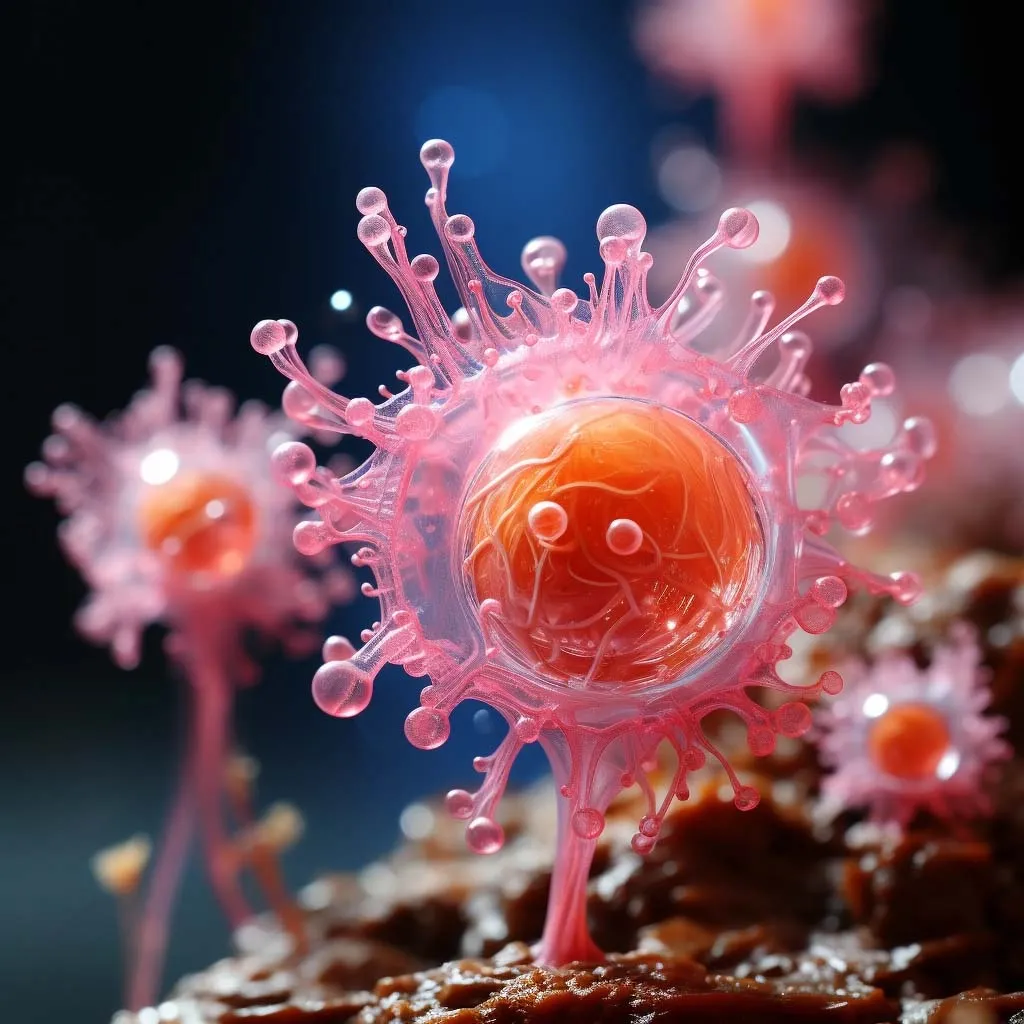
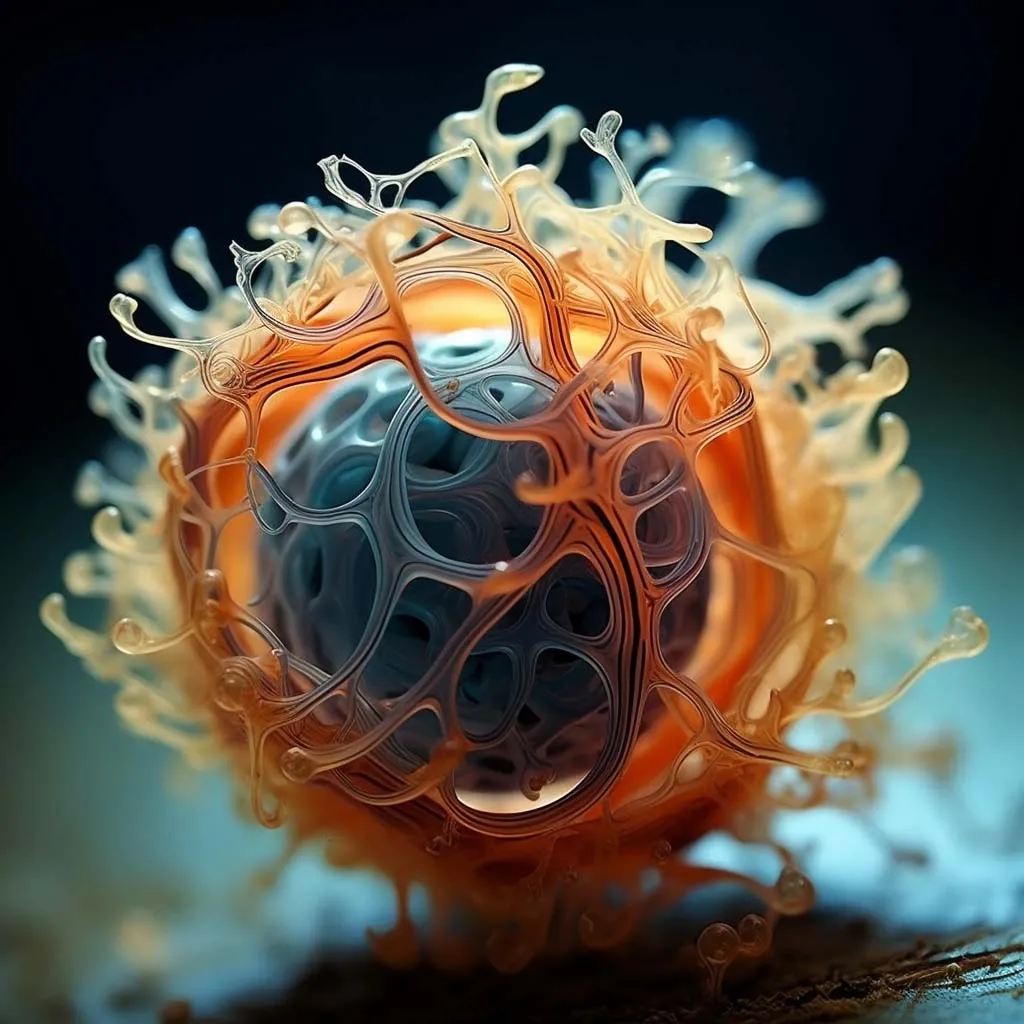
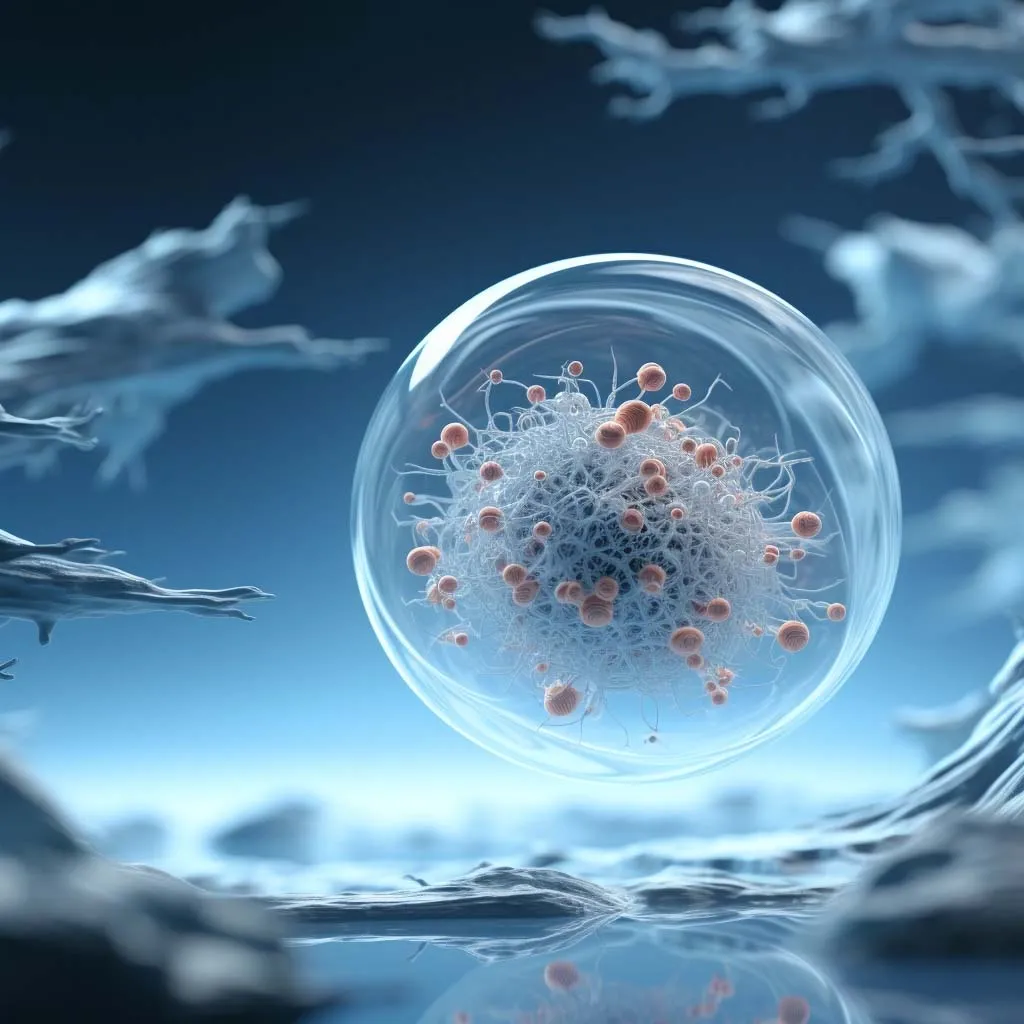
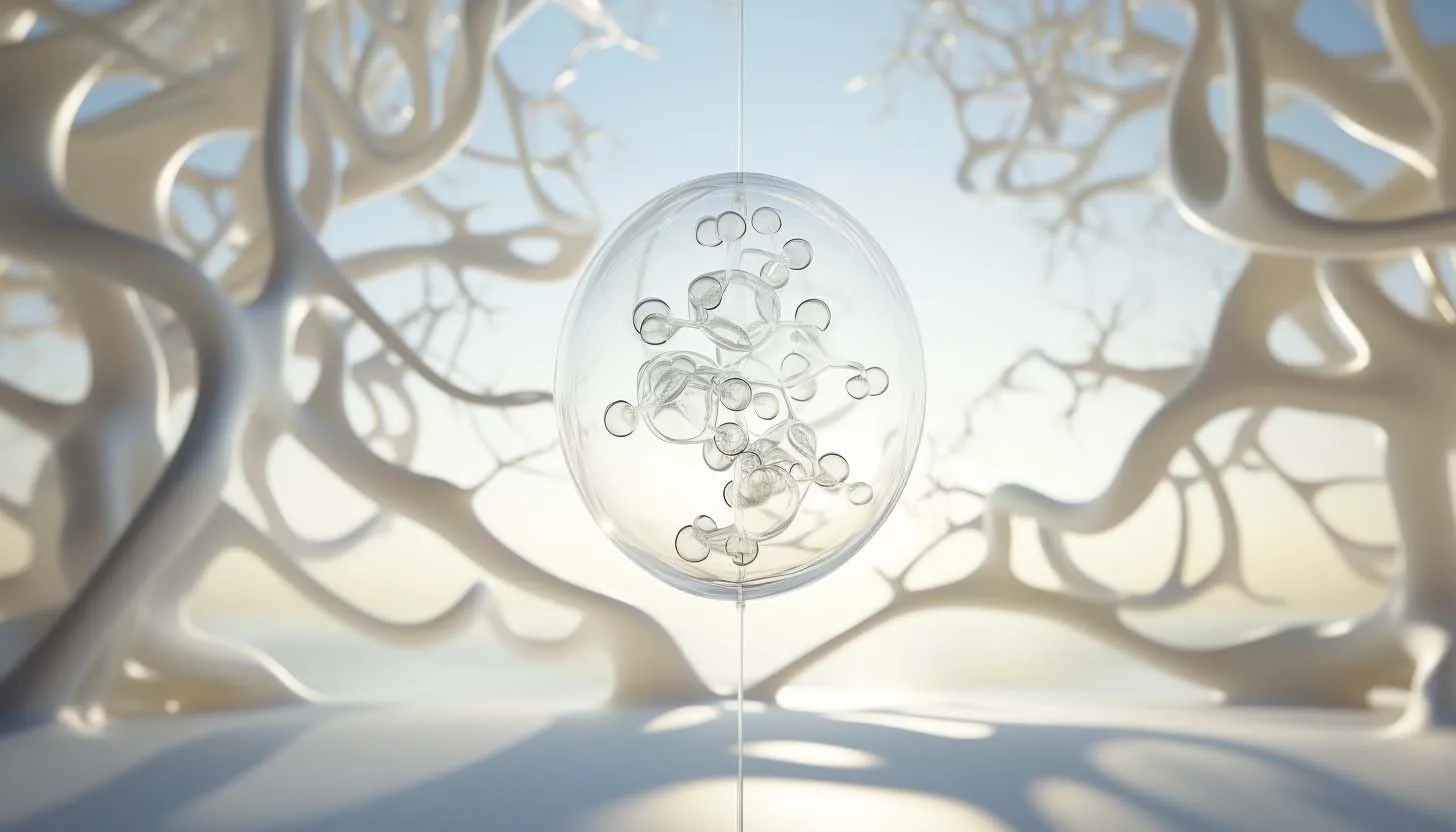
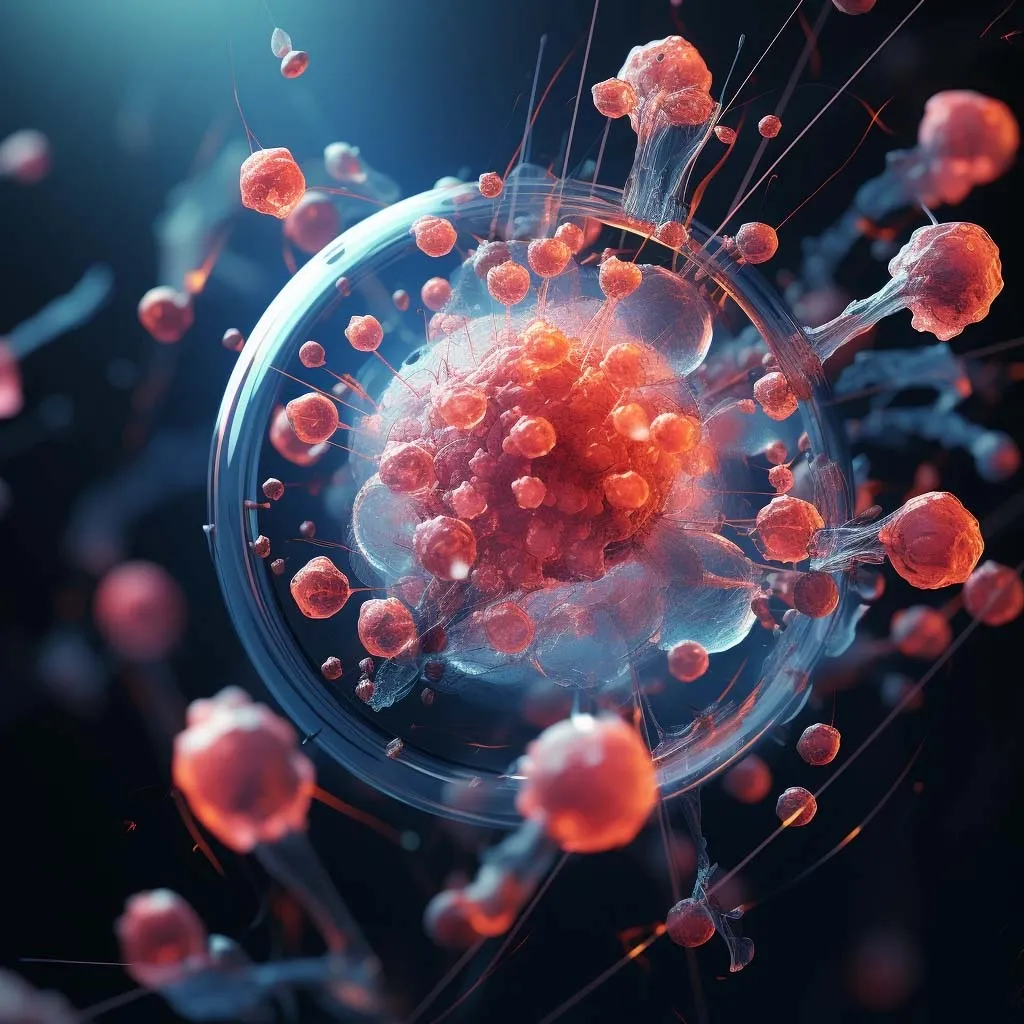
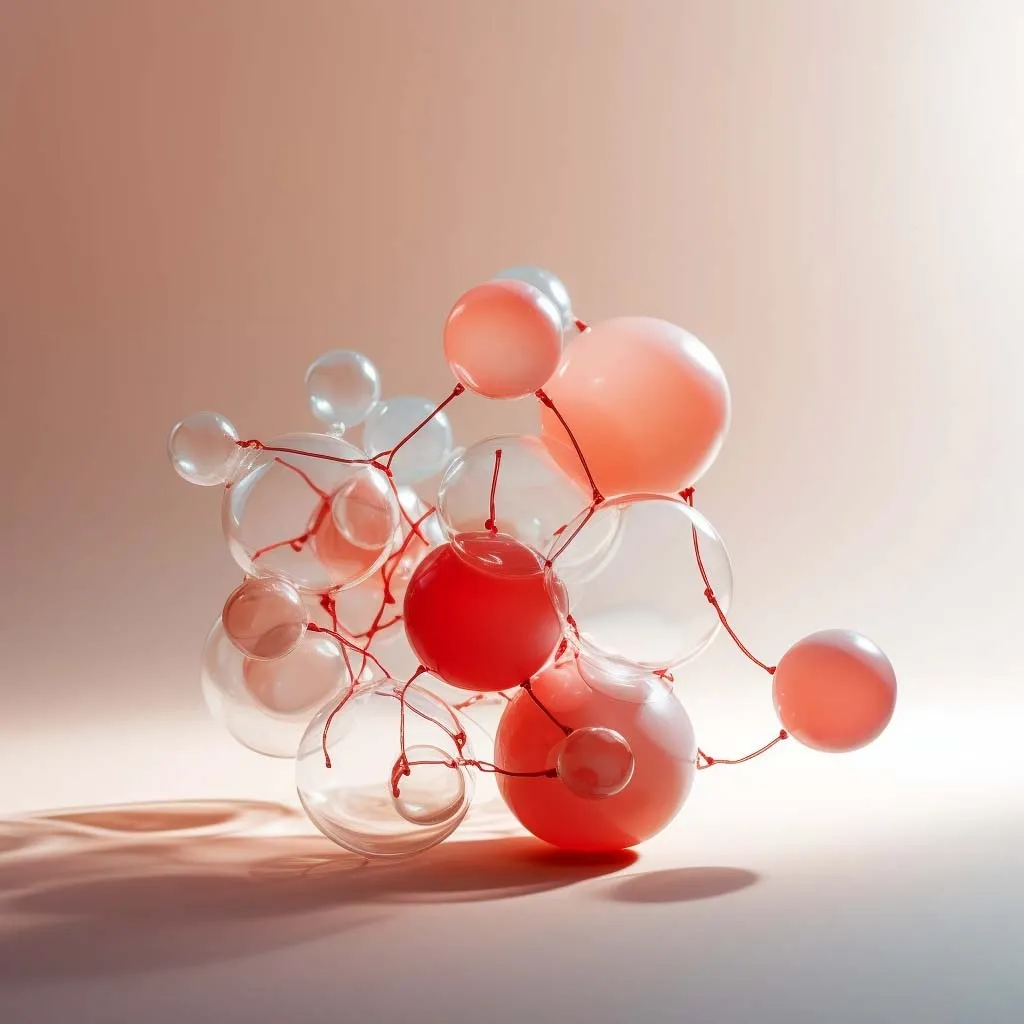
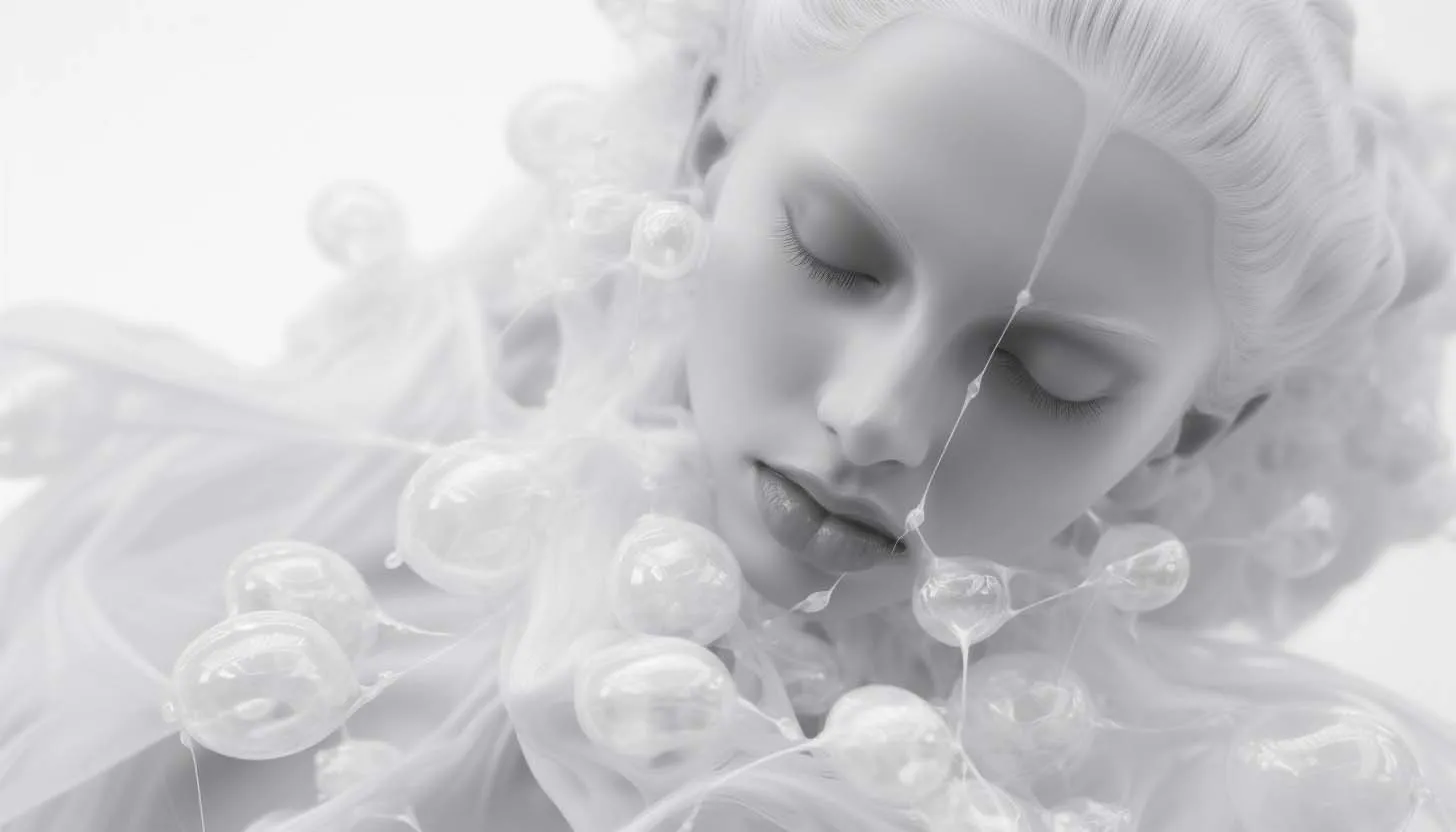
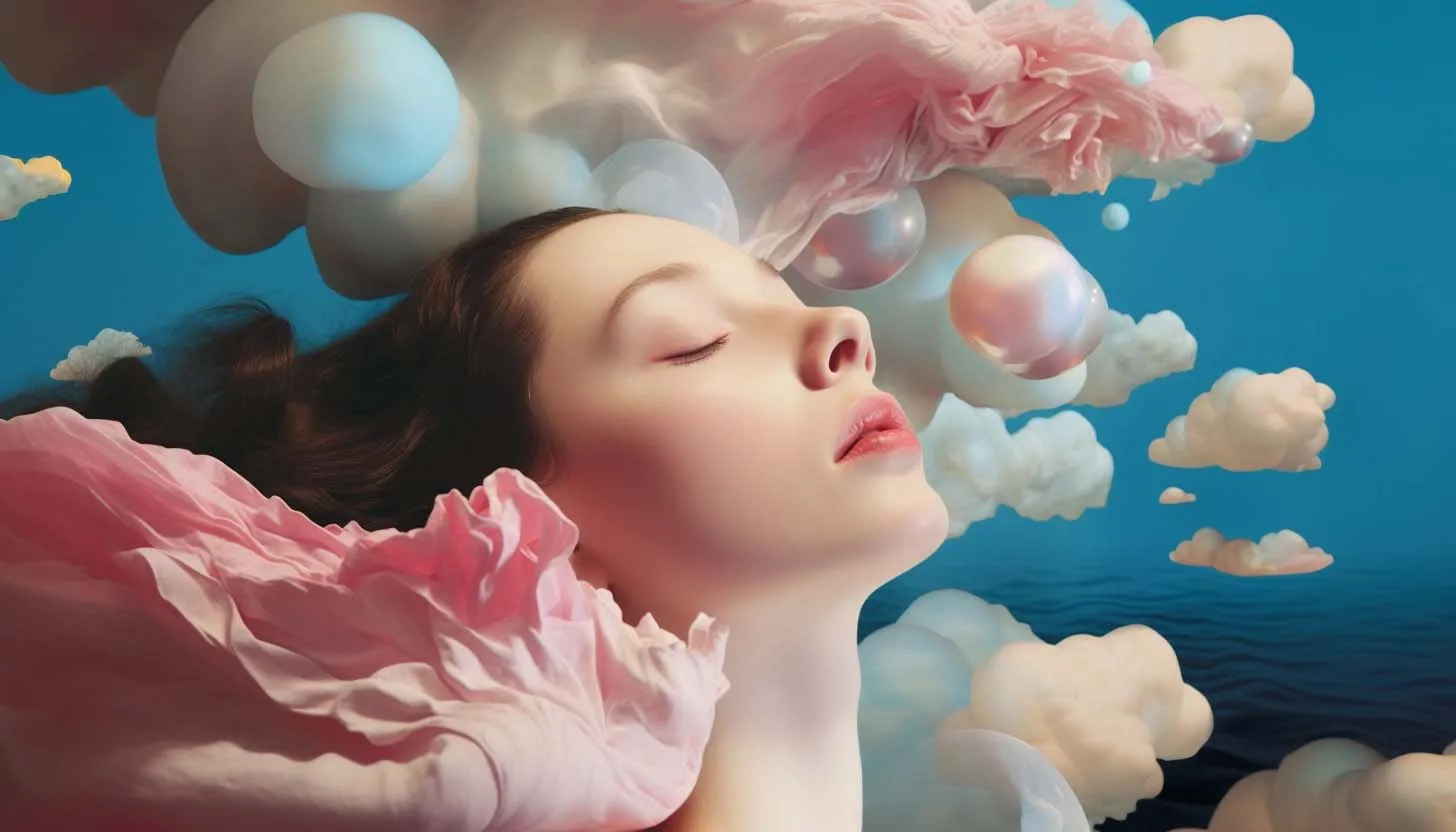
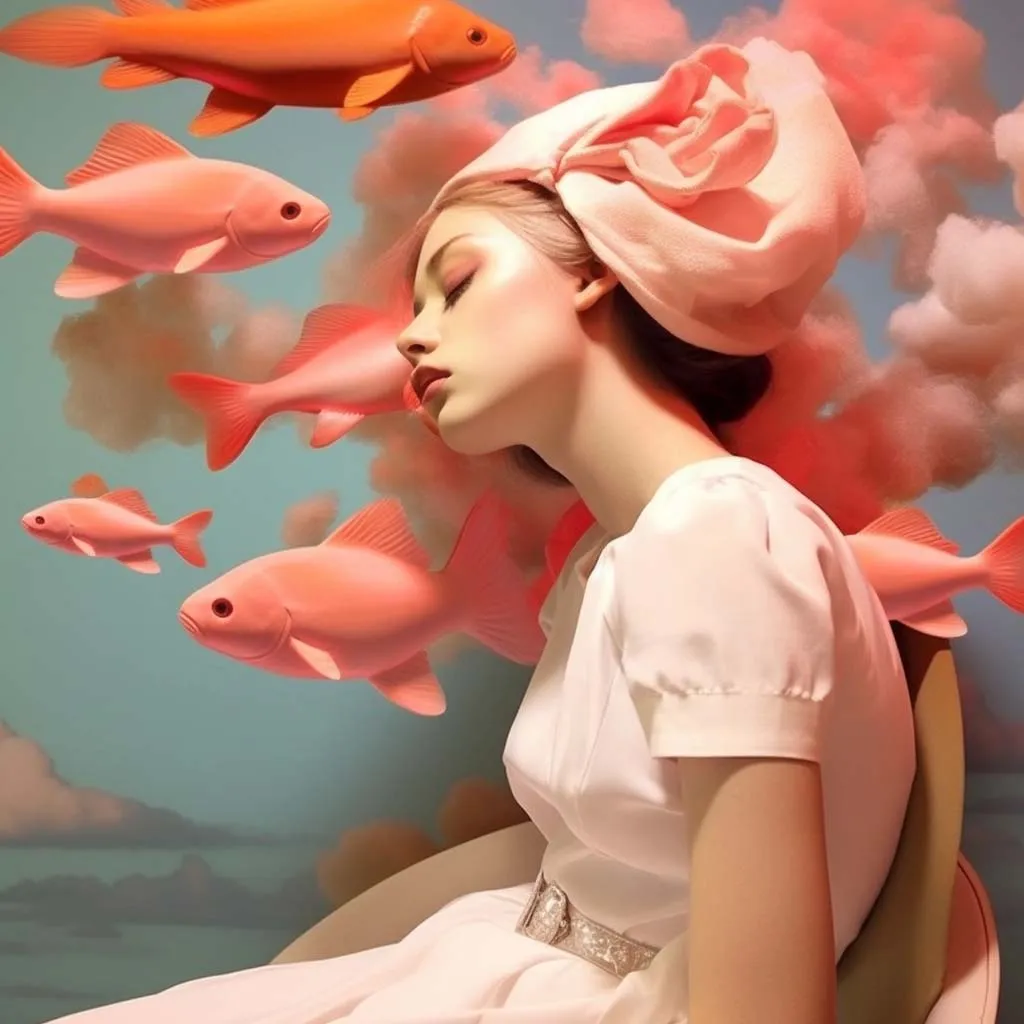
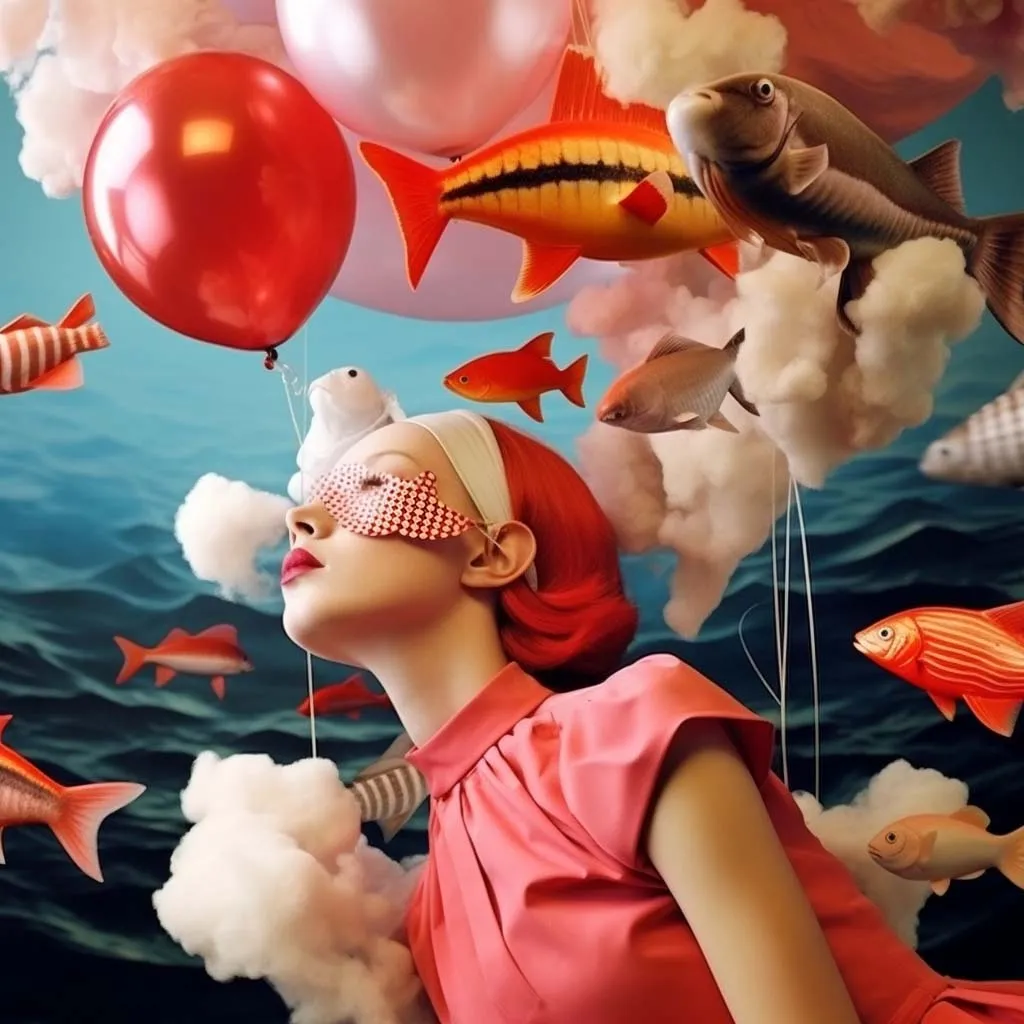
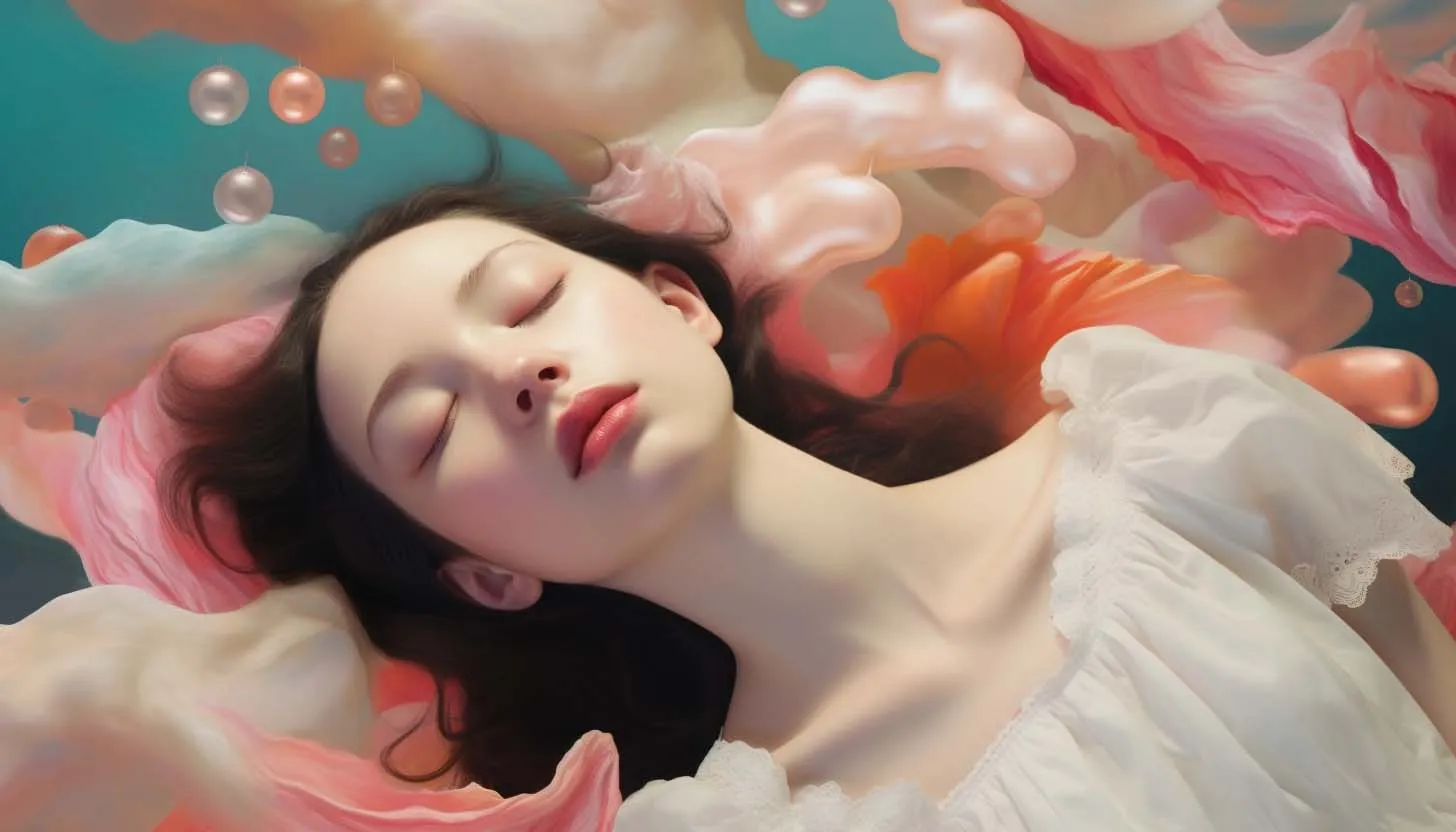
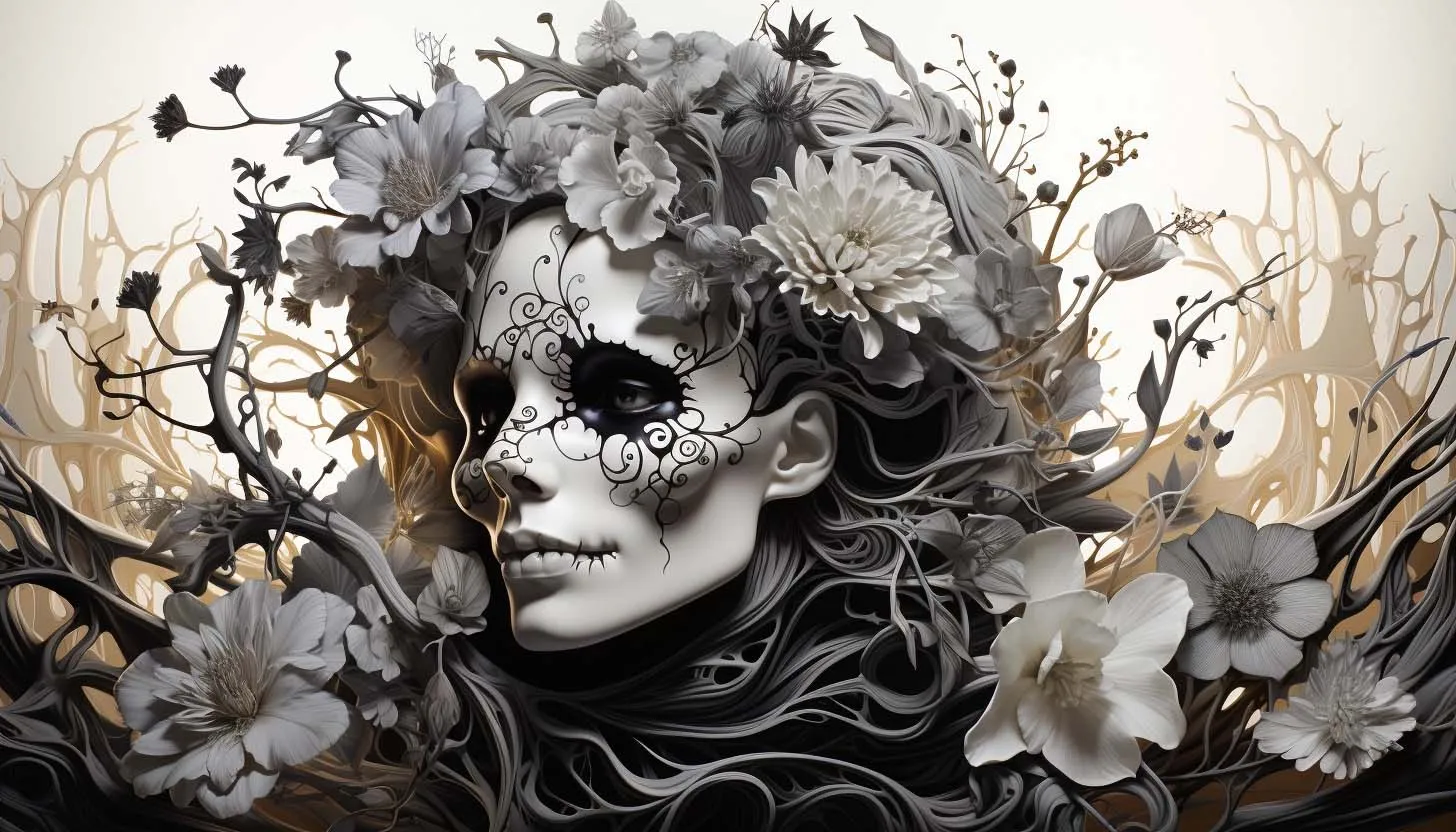
Science visuals — micro-cellular and abstract imagery from a decade making sense of healthcare science. Using the tools to see, not just to generate.
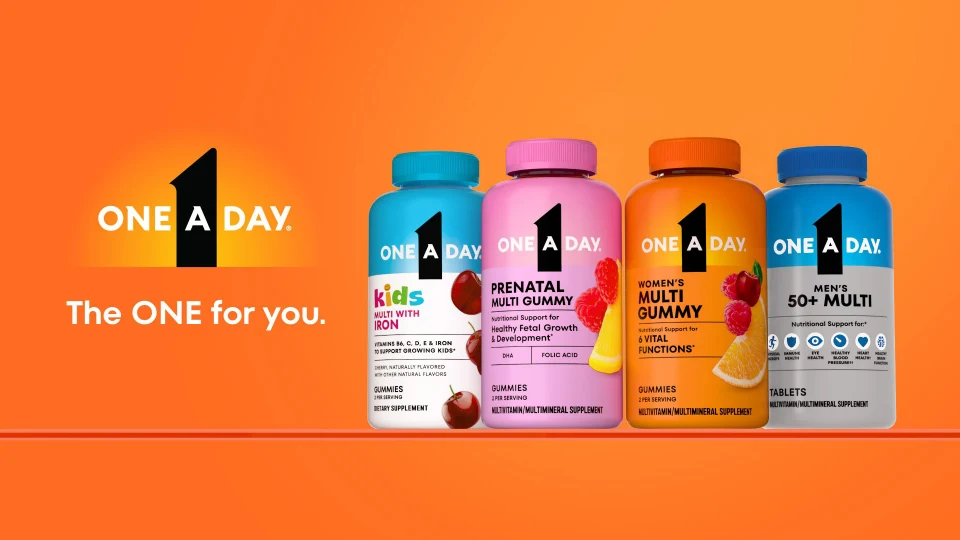
I lead creative from the blank brief to launch — concepting the idea, art-directing the look, and driving it through to channel-ready execution across pack, film, social, retail, and web. Side by side with marketers, insights, animators, ecomm, copywriters, and producers — I hold the through-line so one idea stays whole as it fans out.
One visual system, every channel it needs to live on. The flagship work below is the new One A Day identity; the rest fans out across the digital shelf, a full brand launch, and line extensions — each with its own case study.
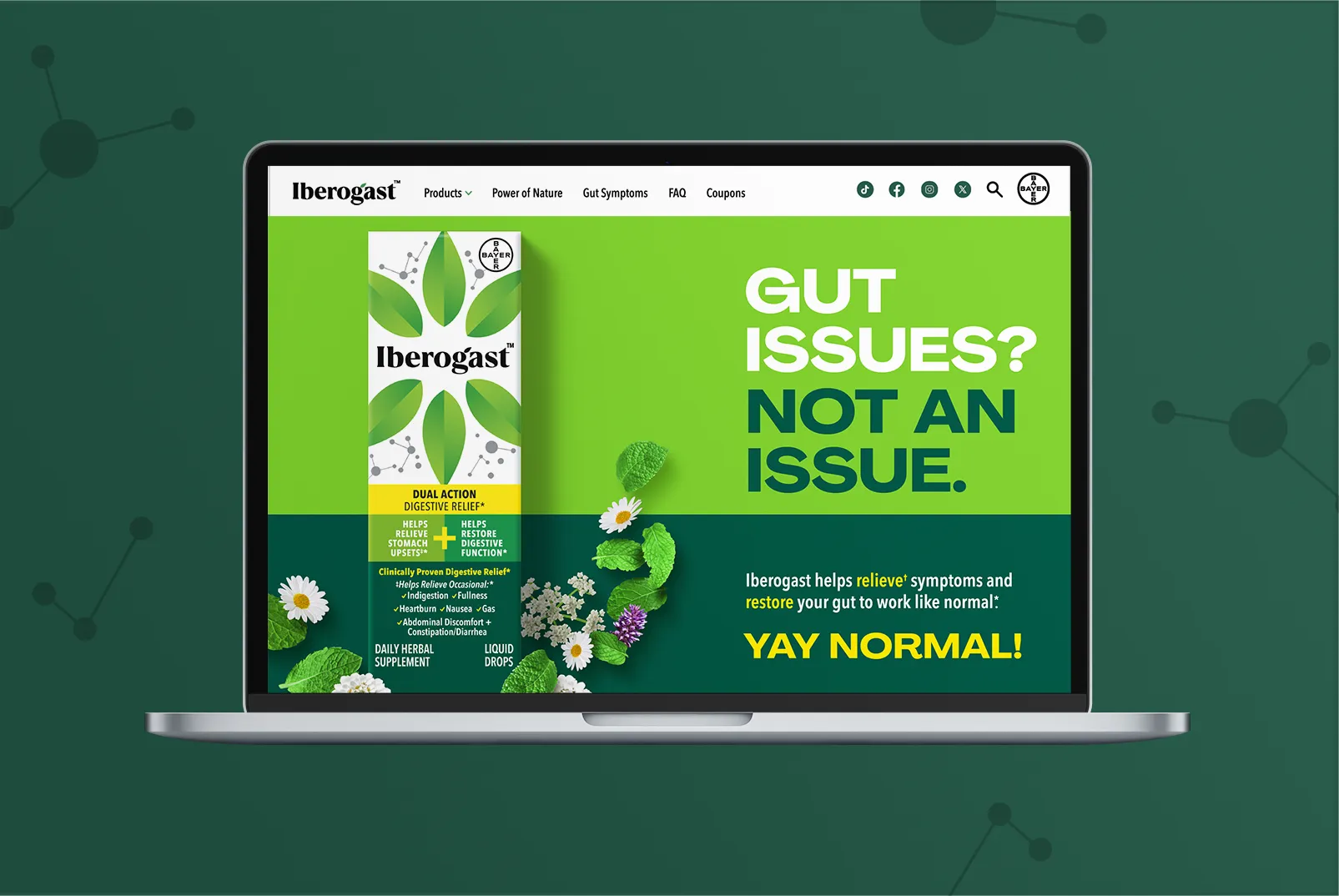
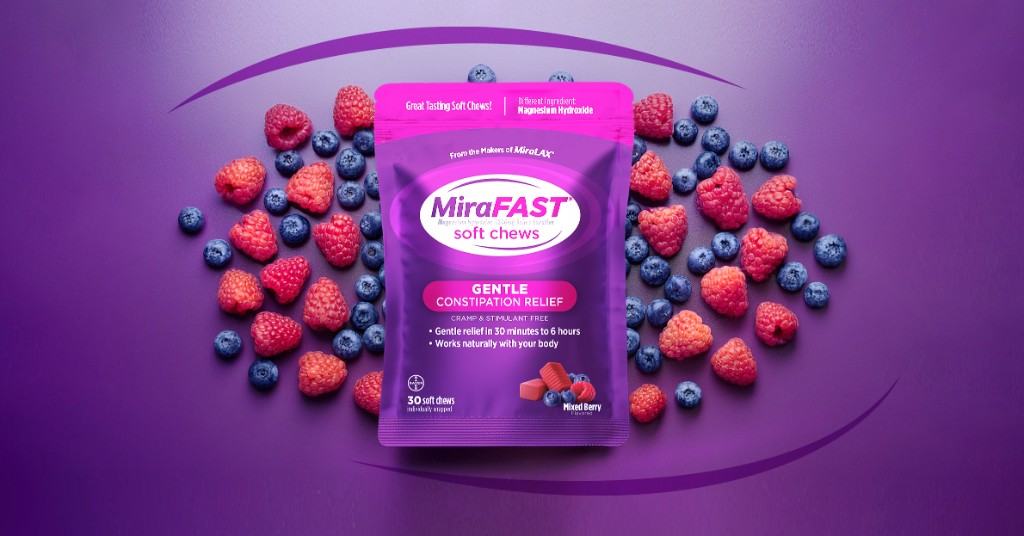
Same discipline, different briefs — the digital shelf, a market entry, and a line extension. Each links to a full project write-up.
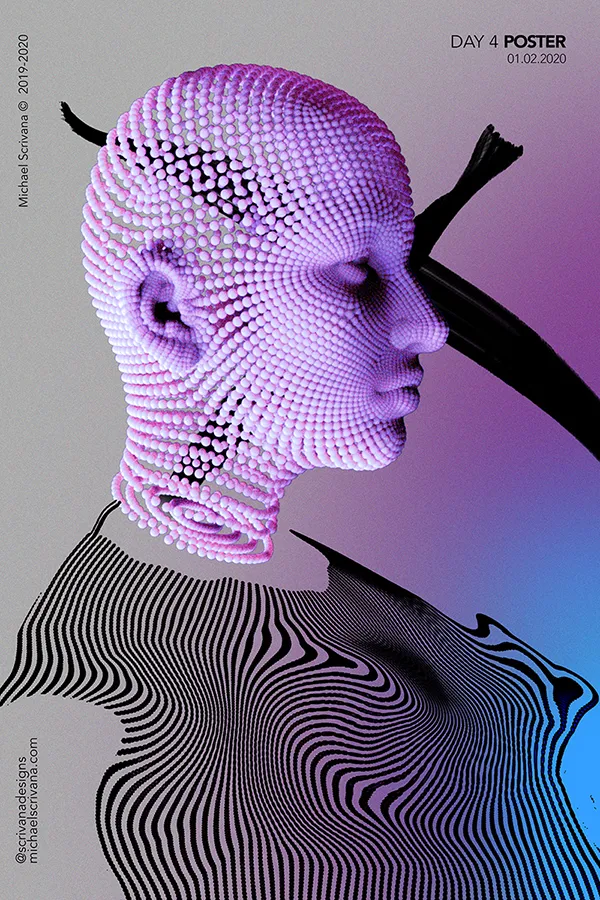
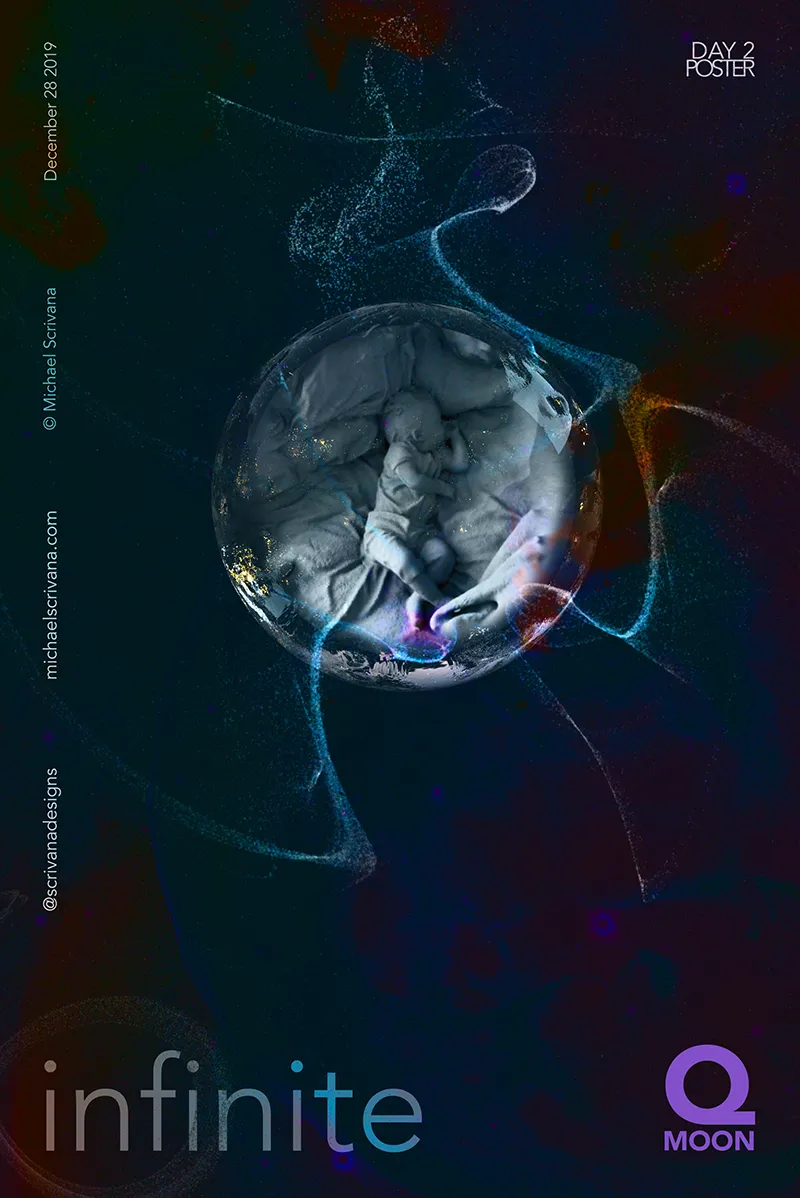
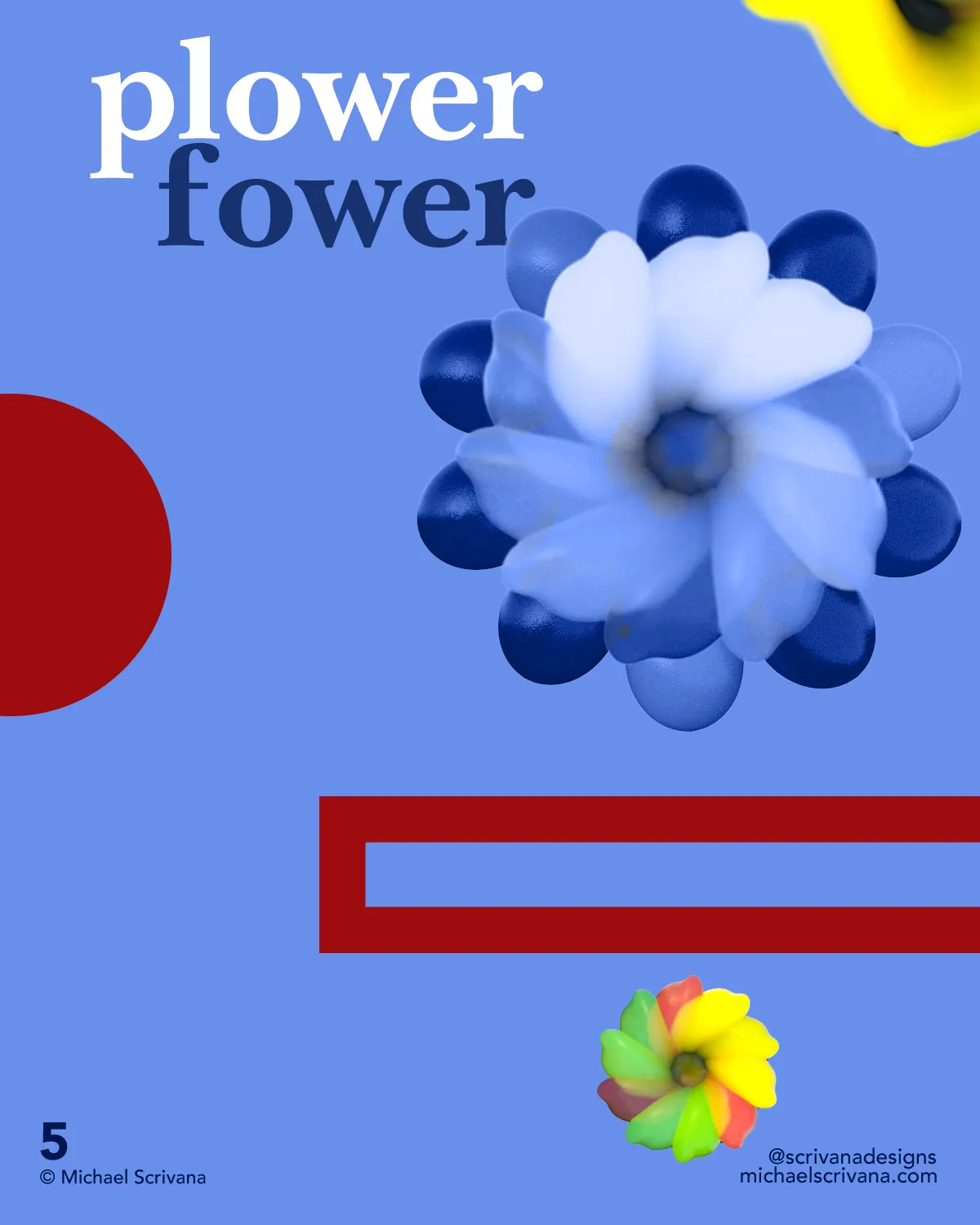
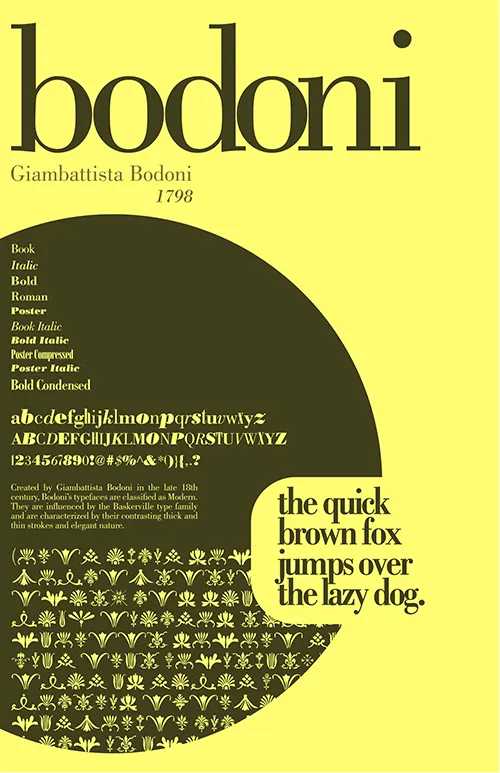
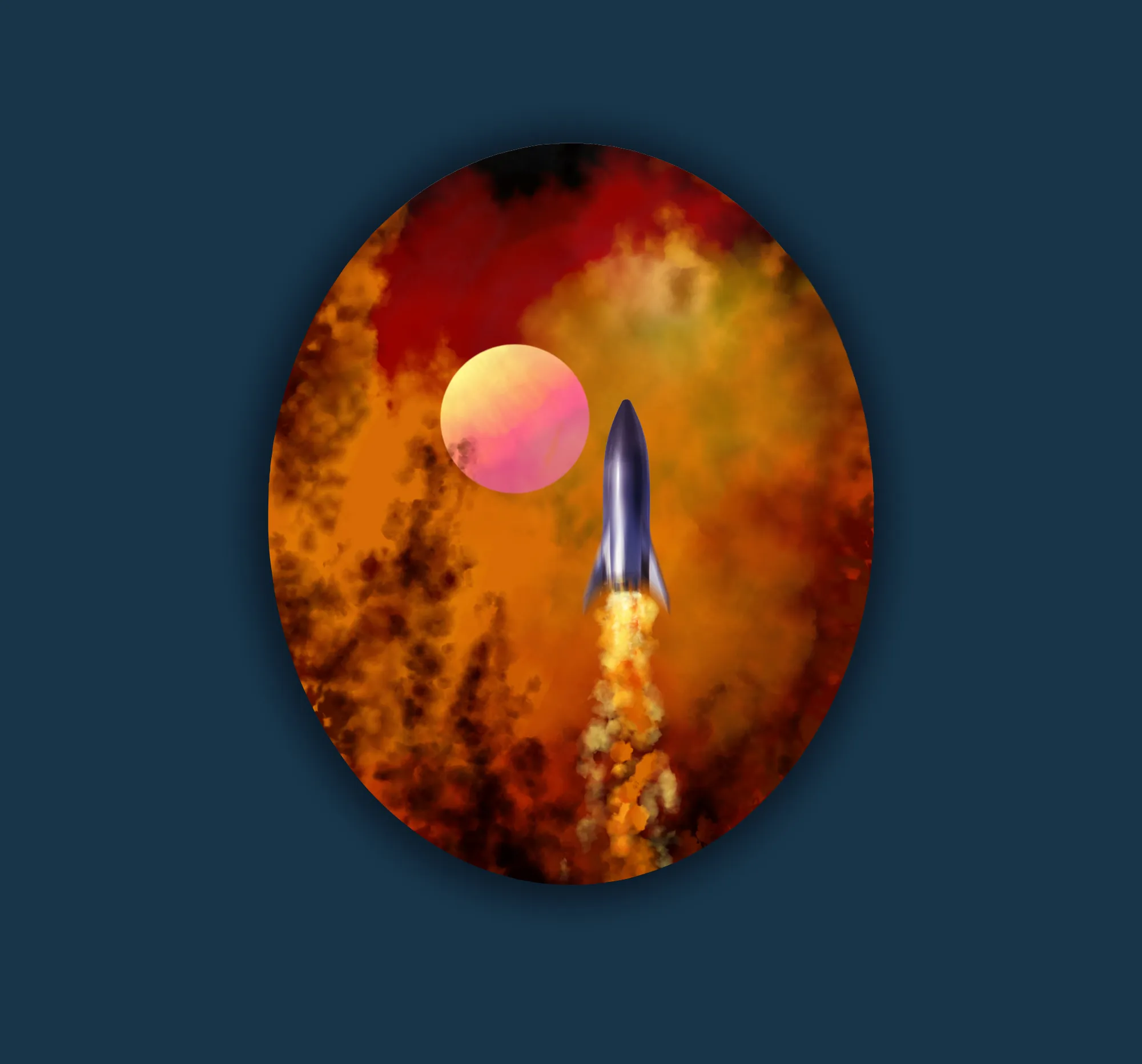
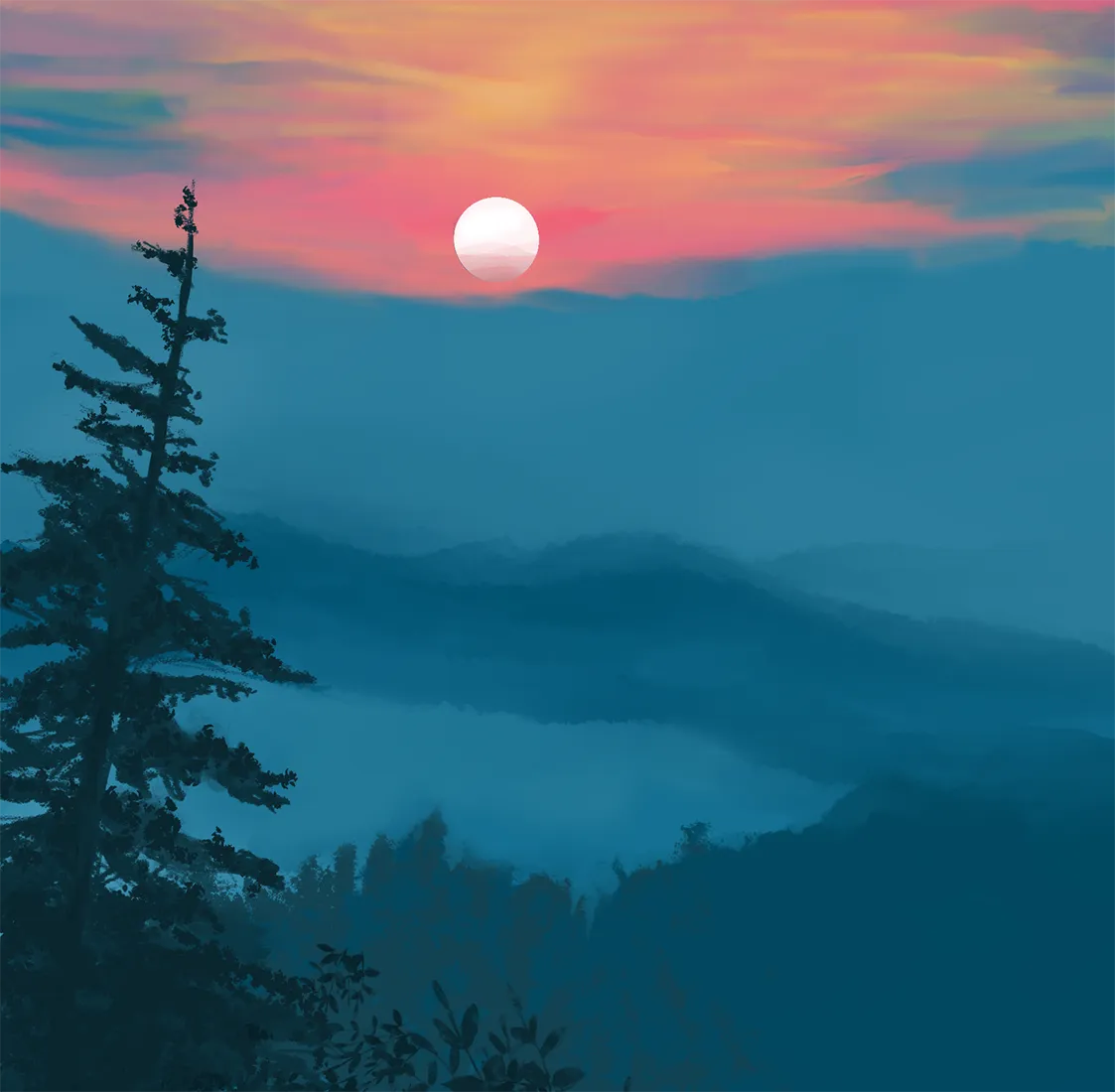
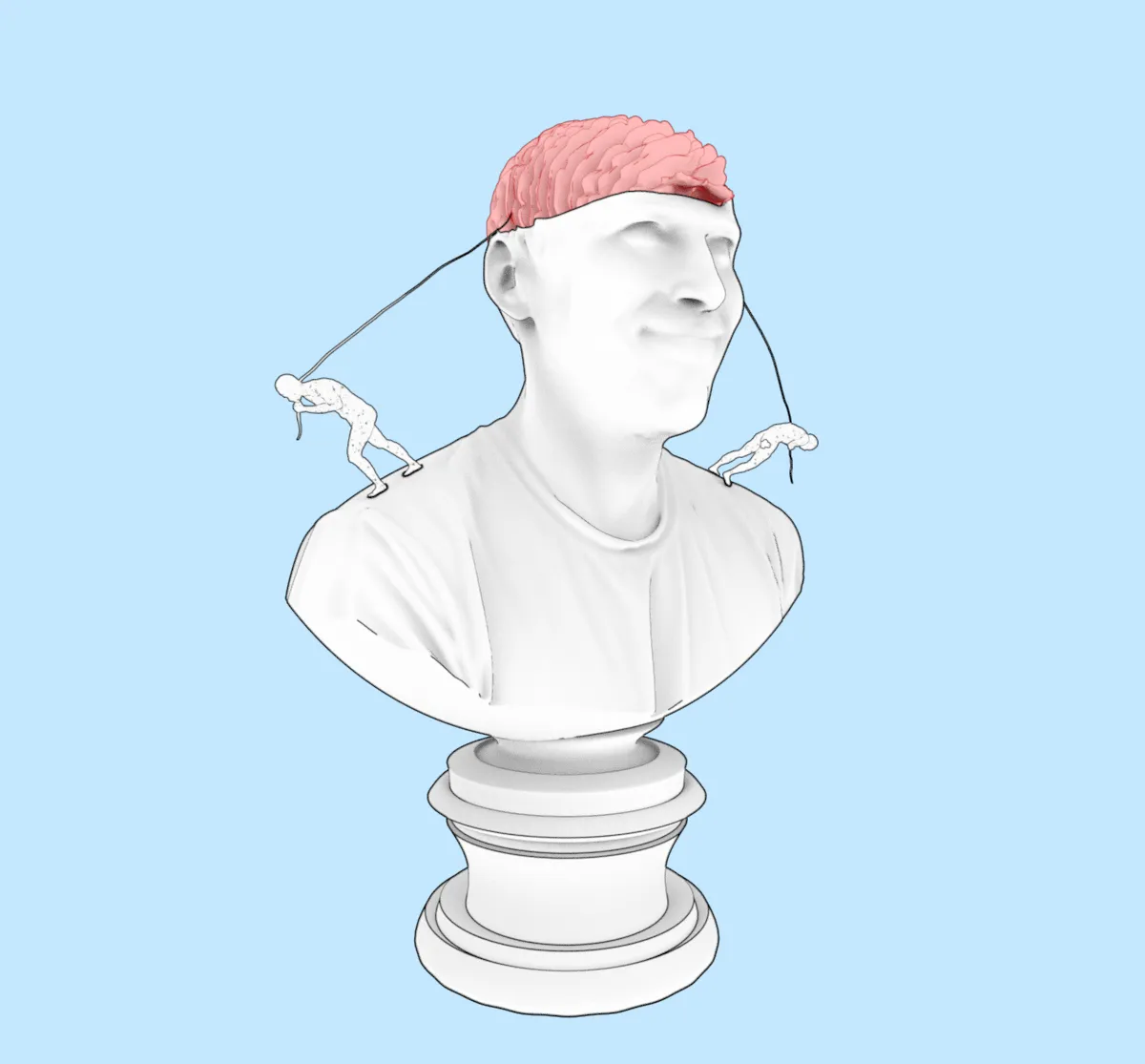
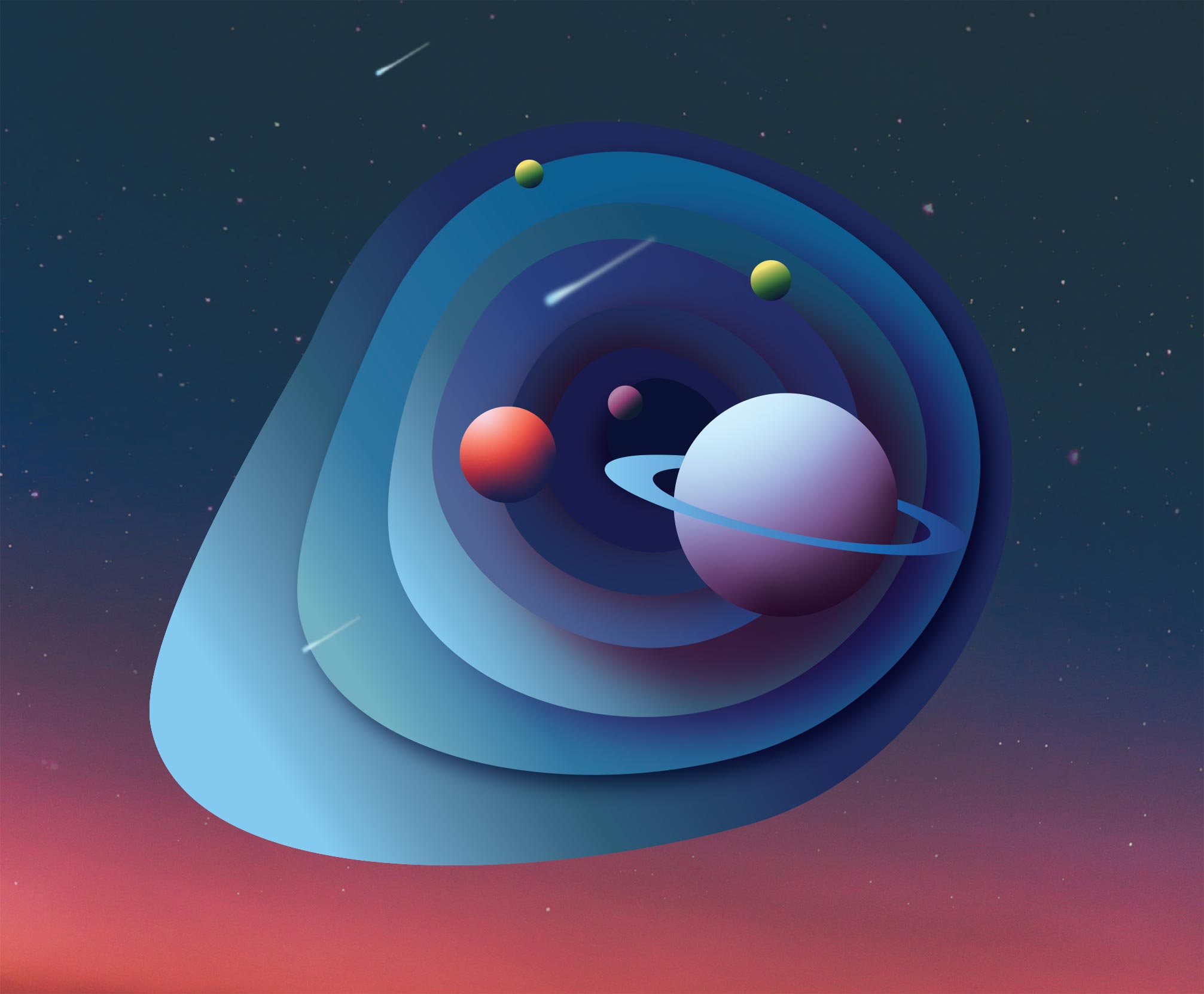
Digital illustration is its own discipline — distinct from the hand-drawn work above. Vector, digital painting, and poster composition: type set with intent, compositions fought for, range across mediums. Conceptual and execution.


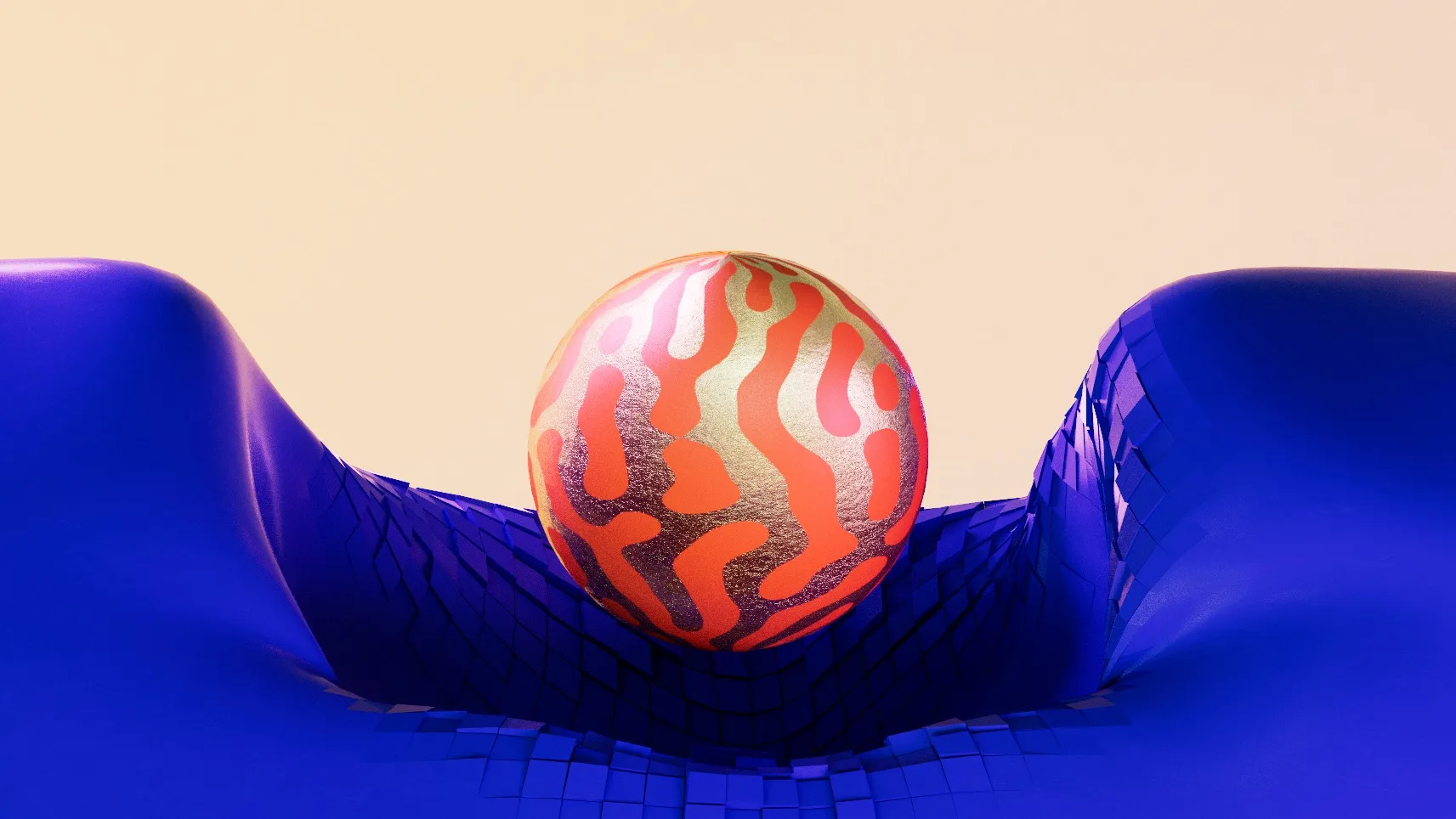
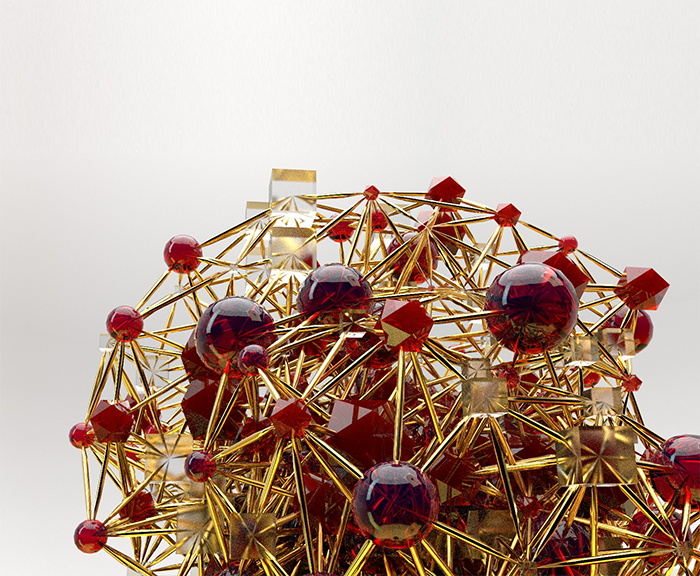
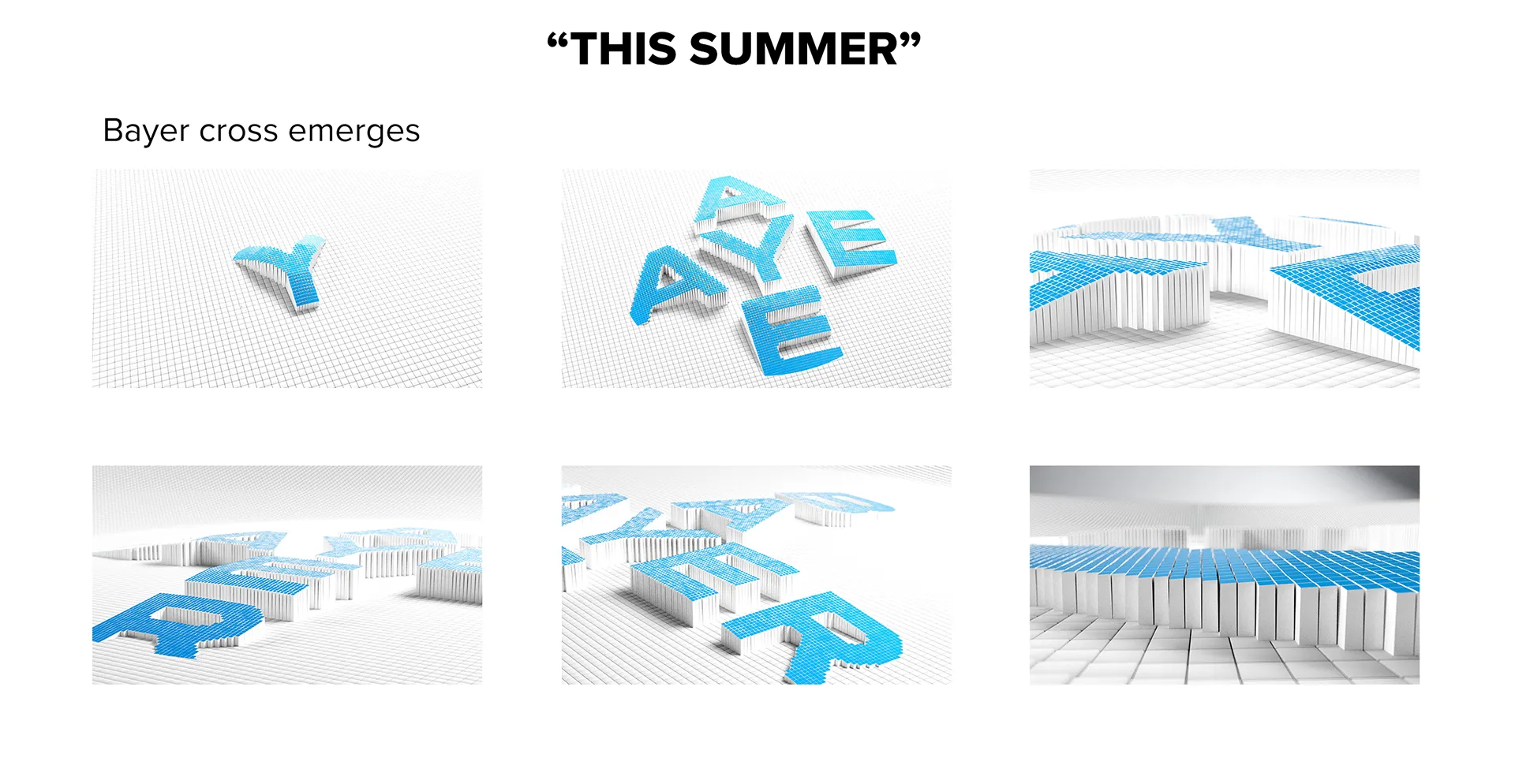
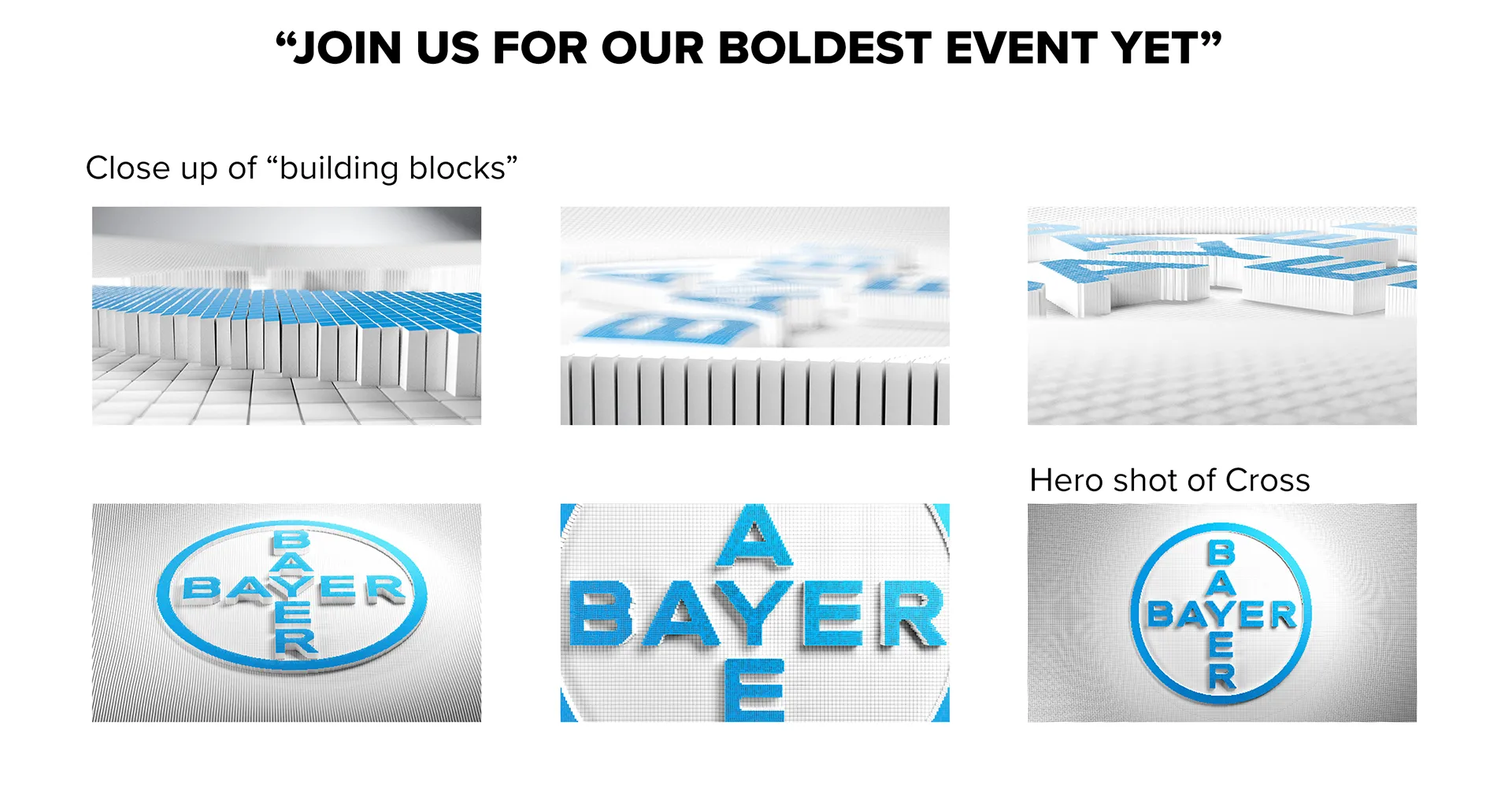
I design things that move and things with dimension — from these explorations to launch films, stage-opener animation, and photoreal product renders built from one system for the digital shelf. Thinking in motion and form, not just static frames, is half of how a new technology gets shown to people. (The BOLD Breakthrough Tour below carries this into a full campaign.)


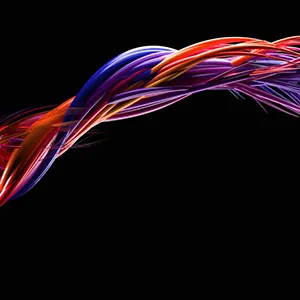
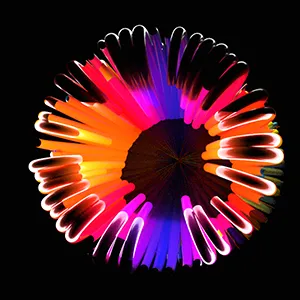
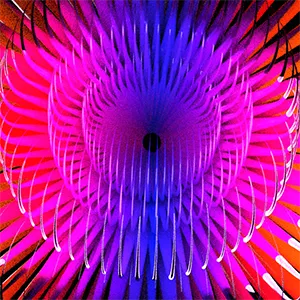
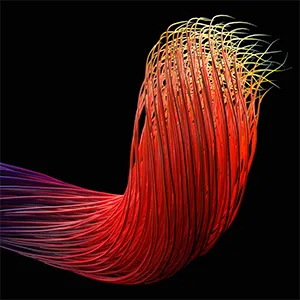
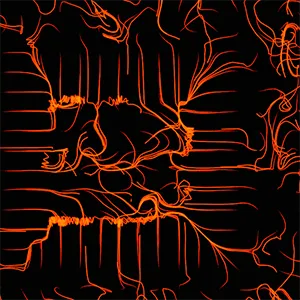
I like to work in 3D — I love experimenting with particles and the interesting outputs that simulation can generate. These are some personal experiments playing with that.
Experimental particle & physics studies — playing with simulation, force, and form. Hover any to play.
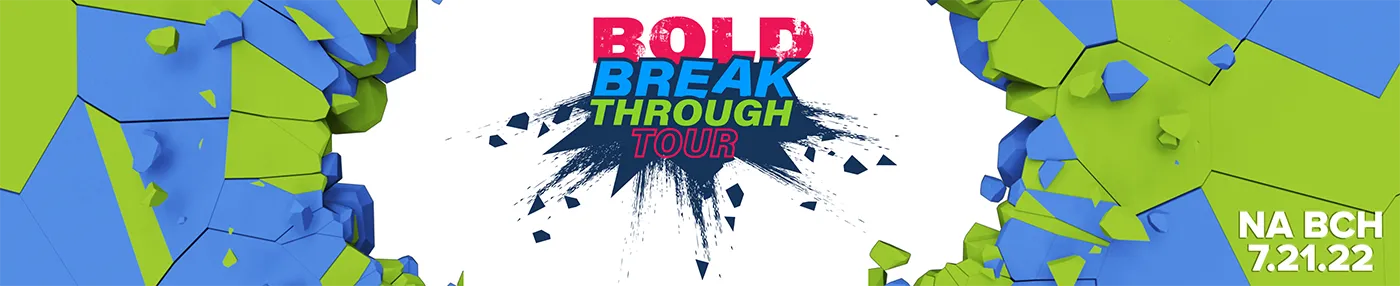
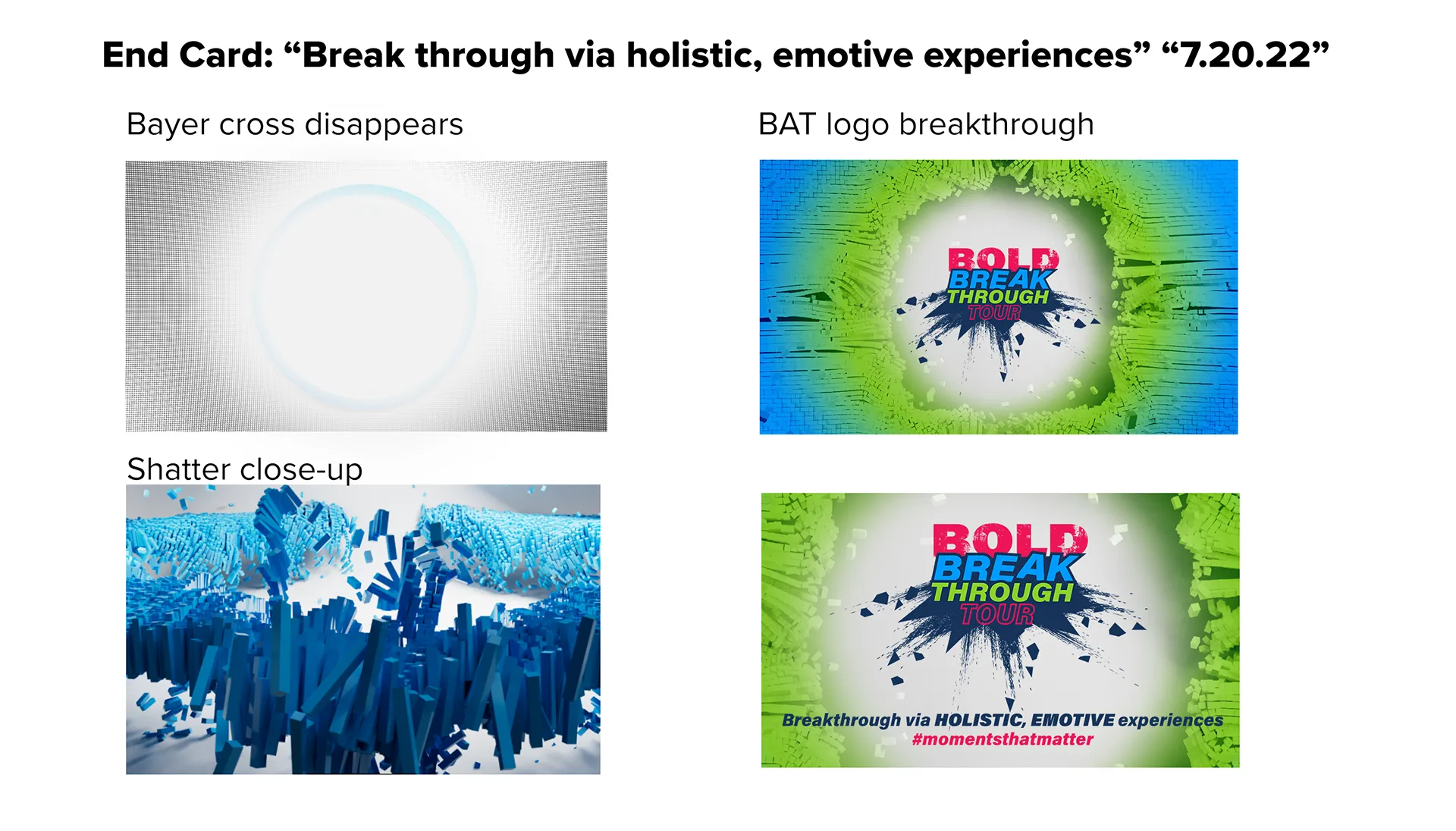
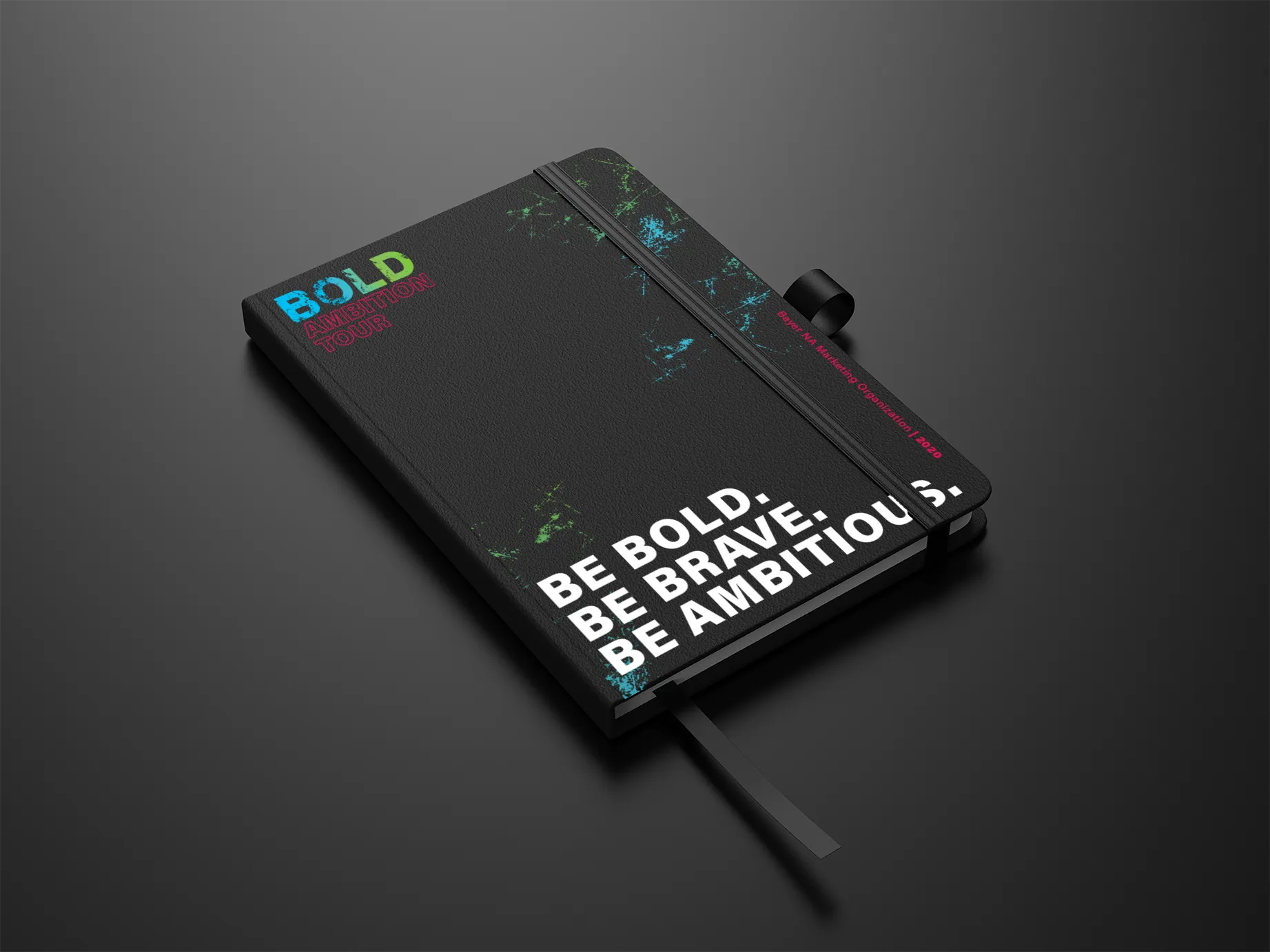
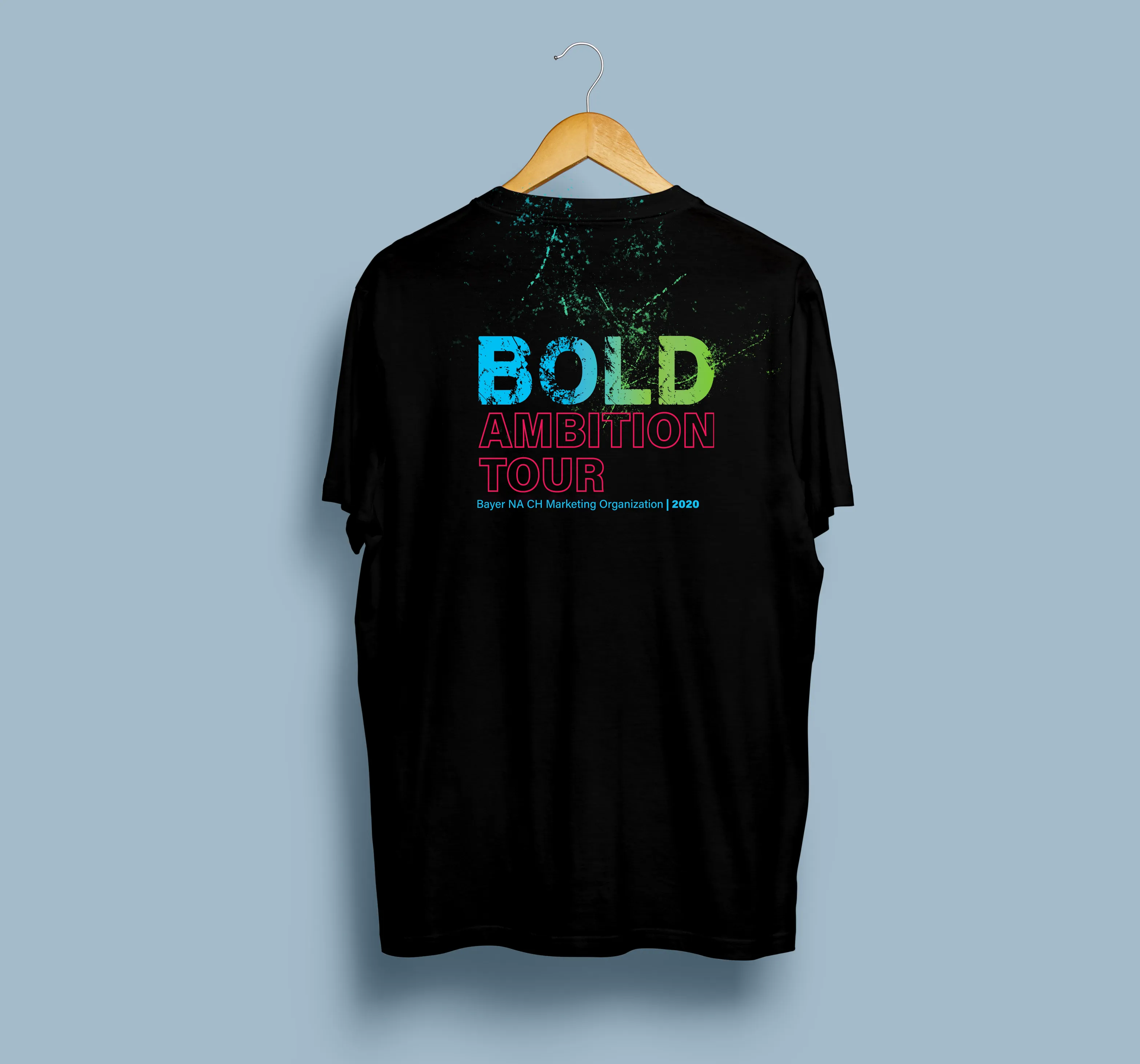
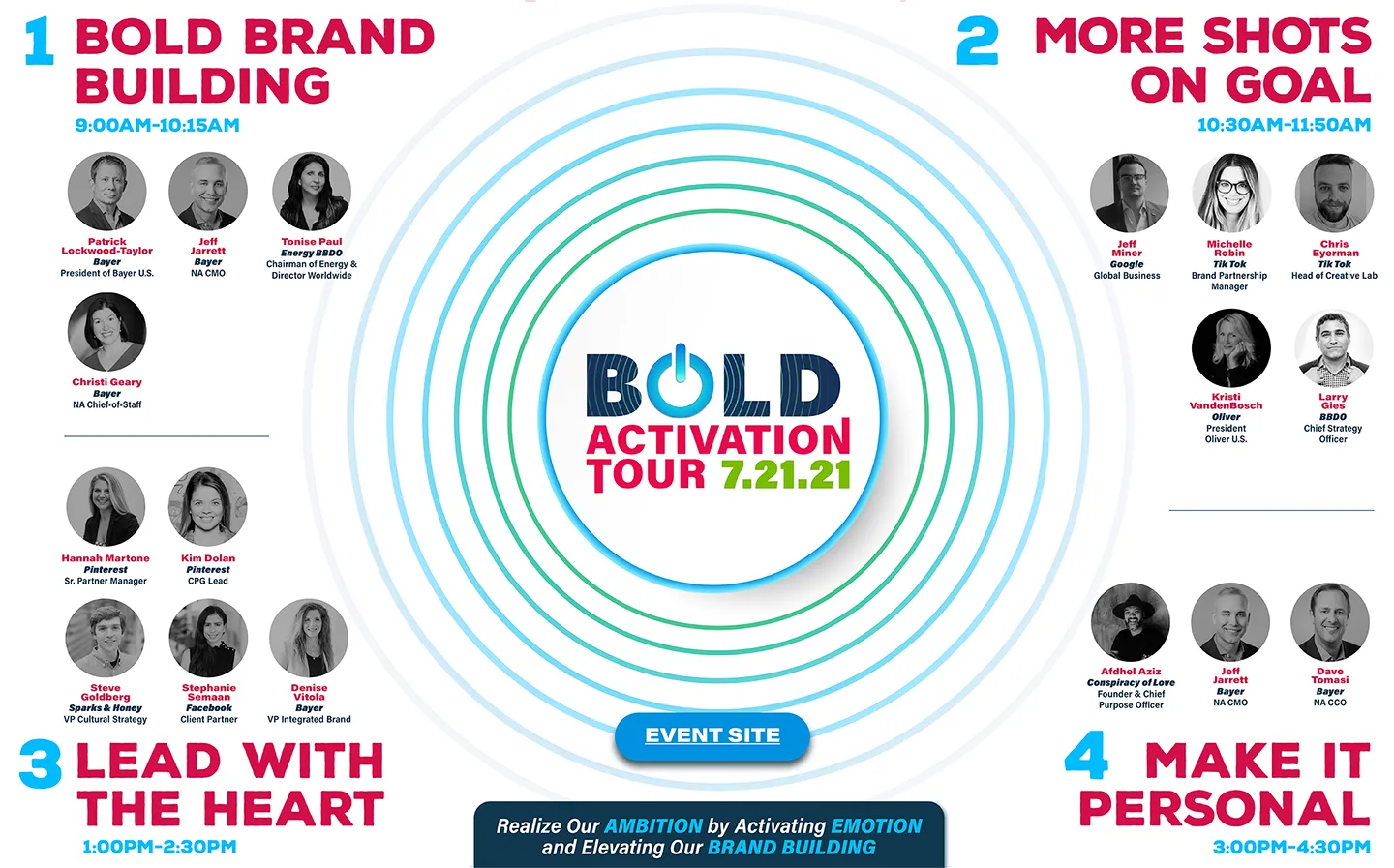
The BOLD Breakthrough Tour is one idea taken across every medium it needed — identity, 3D, motion, a live stage, and the objects in your hand — and run for three years straight, held together by a single design system. It's the kind of integrated, end-to-end making I love most.
Three years of events below. What follows is work from across the full run — virtual, hybrid, and in-person — so you’ll see different logo marks and identity treatments year to year. Same design system, three annual events.
Stage films & animated identity — the motion that ran the room, built from the Cinema 4D storyboards below.


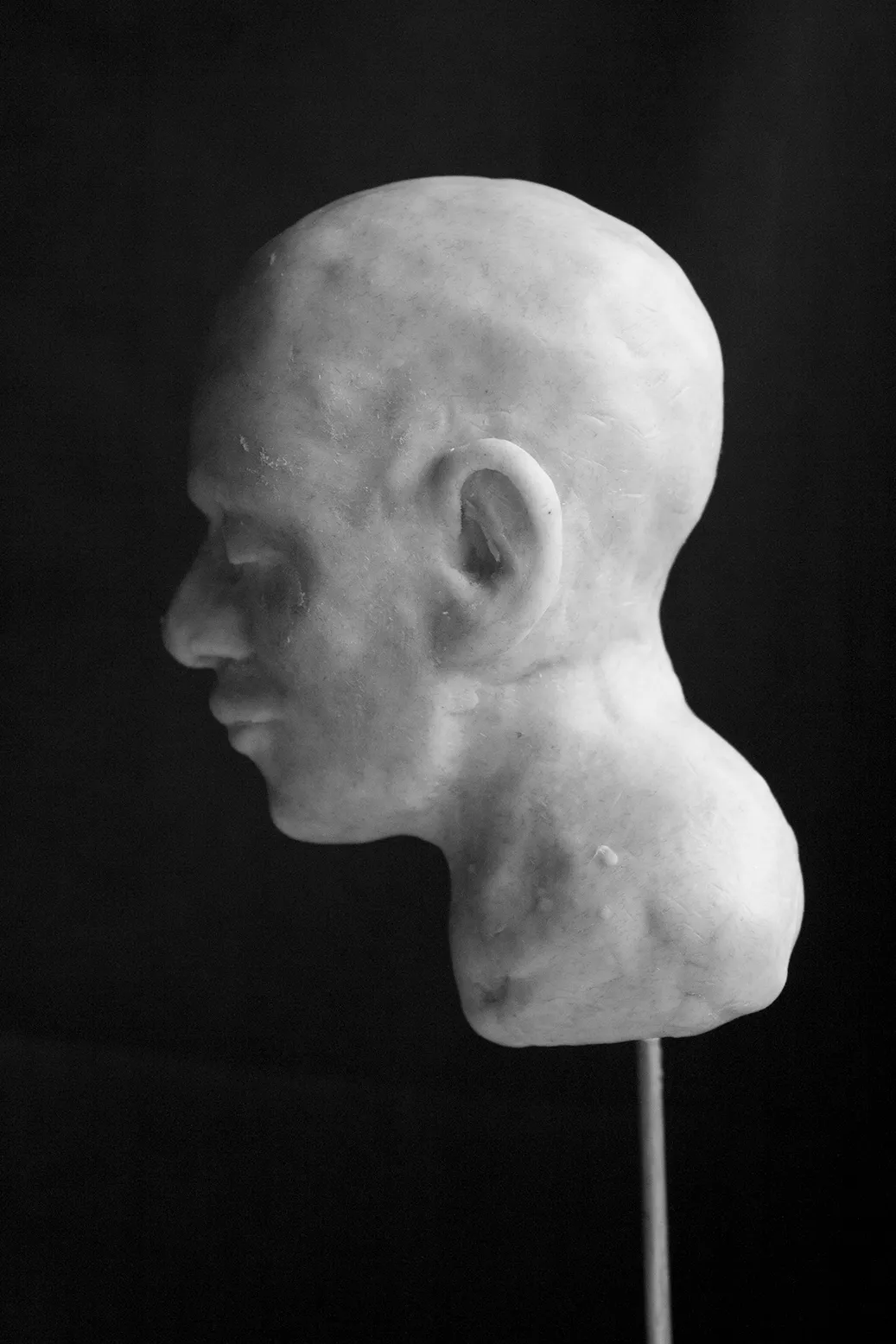
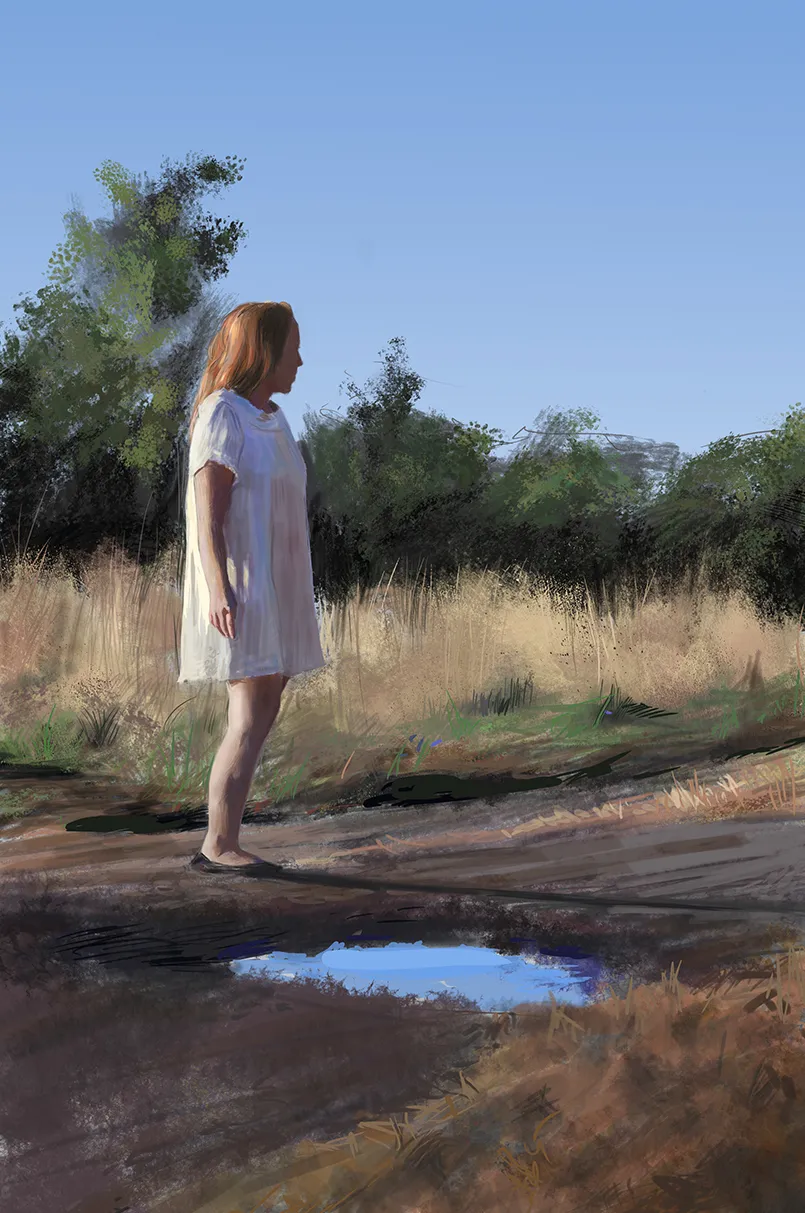
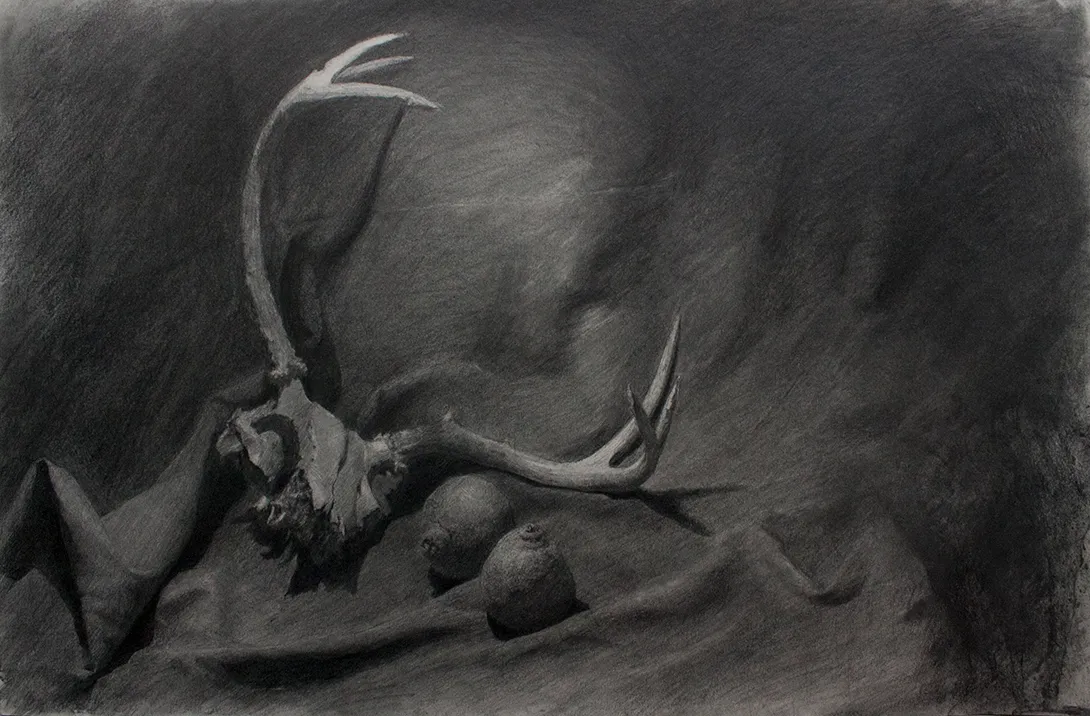
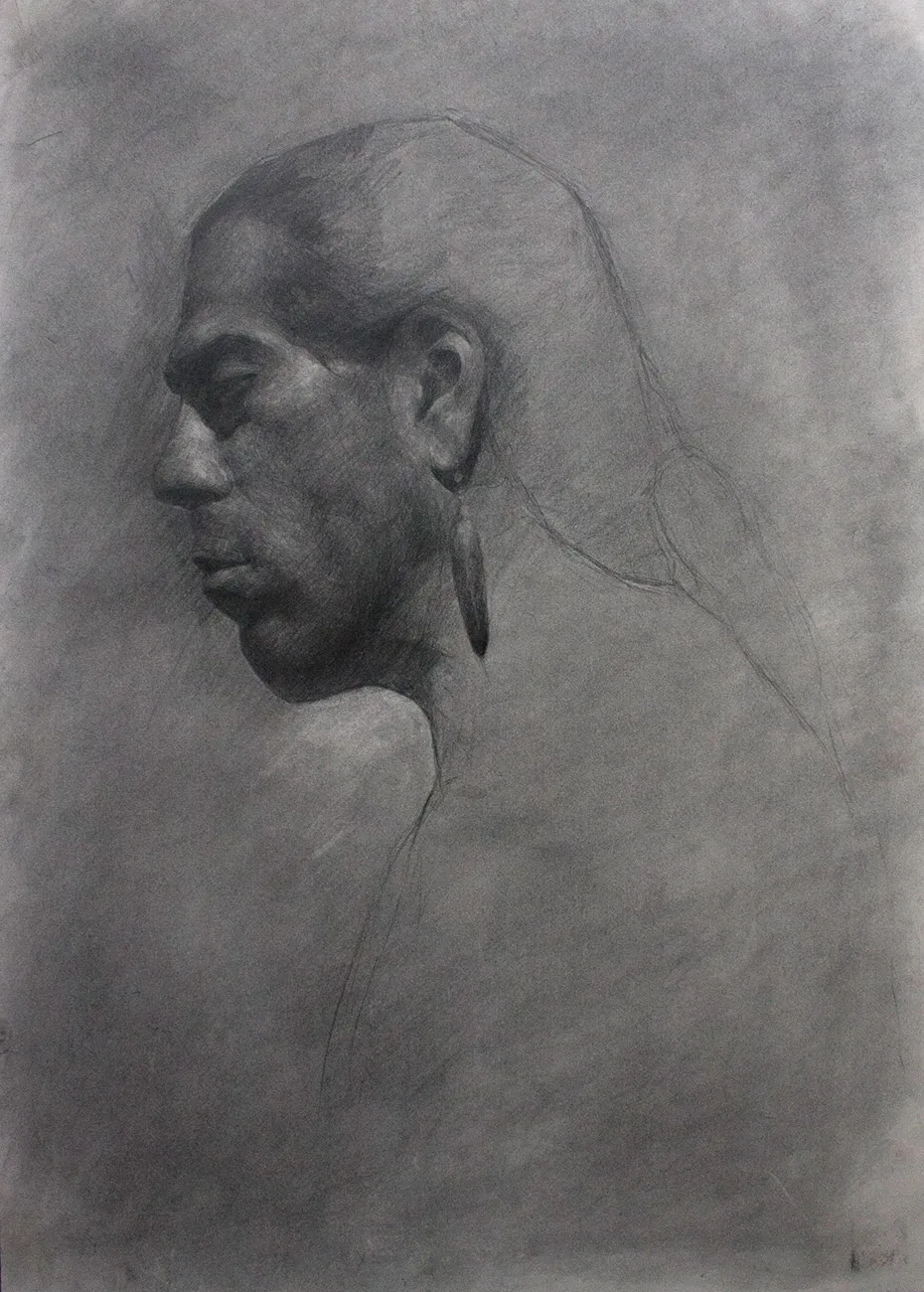
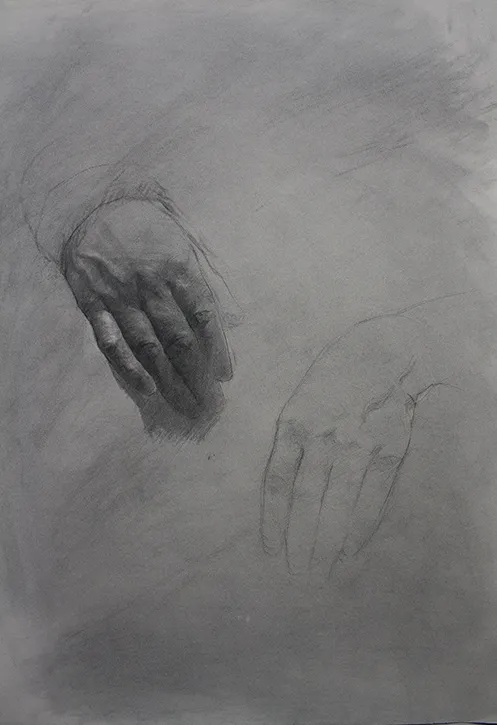
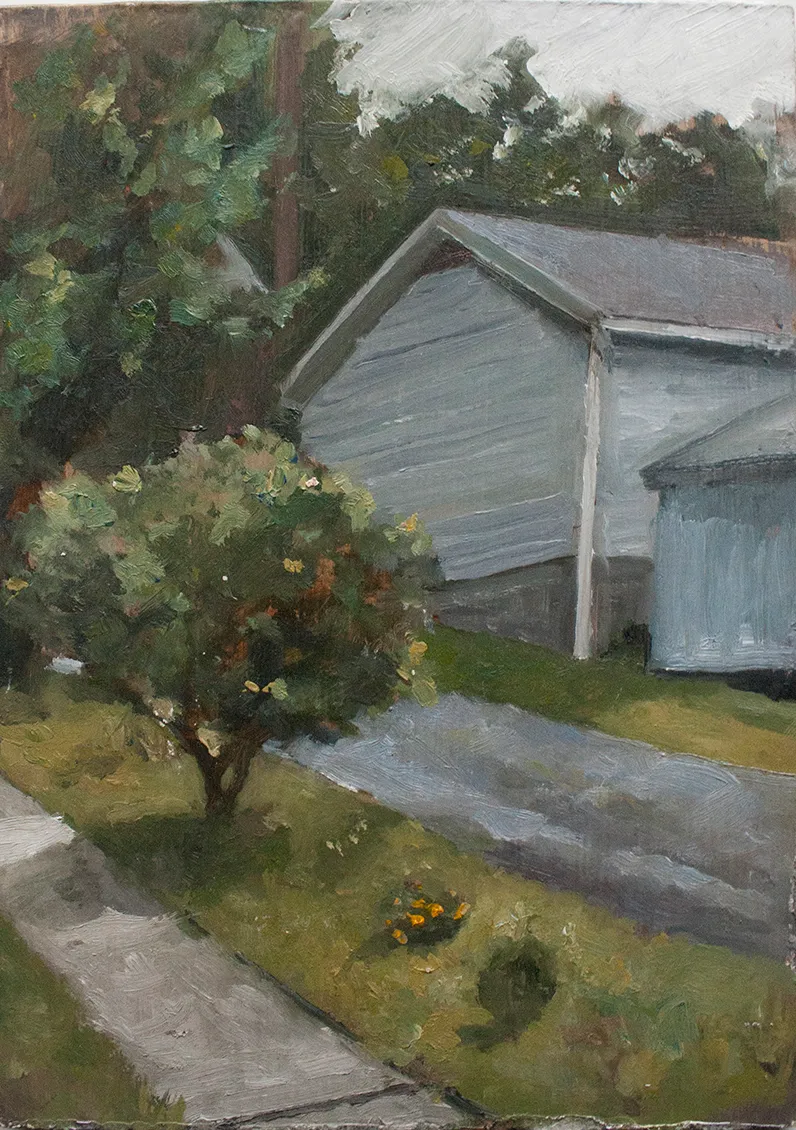
Most designers stop at the screen. I started at the easel. The hand-skill — drawing, painting, and modeling from life — is the foundation everything else sits on. Seven years of commercial work later, it all still traces back to learning how to actually see.
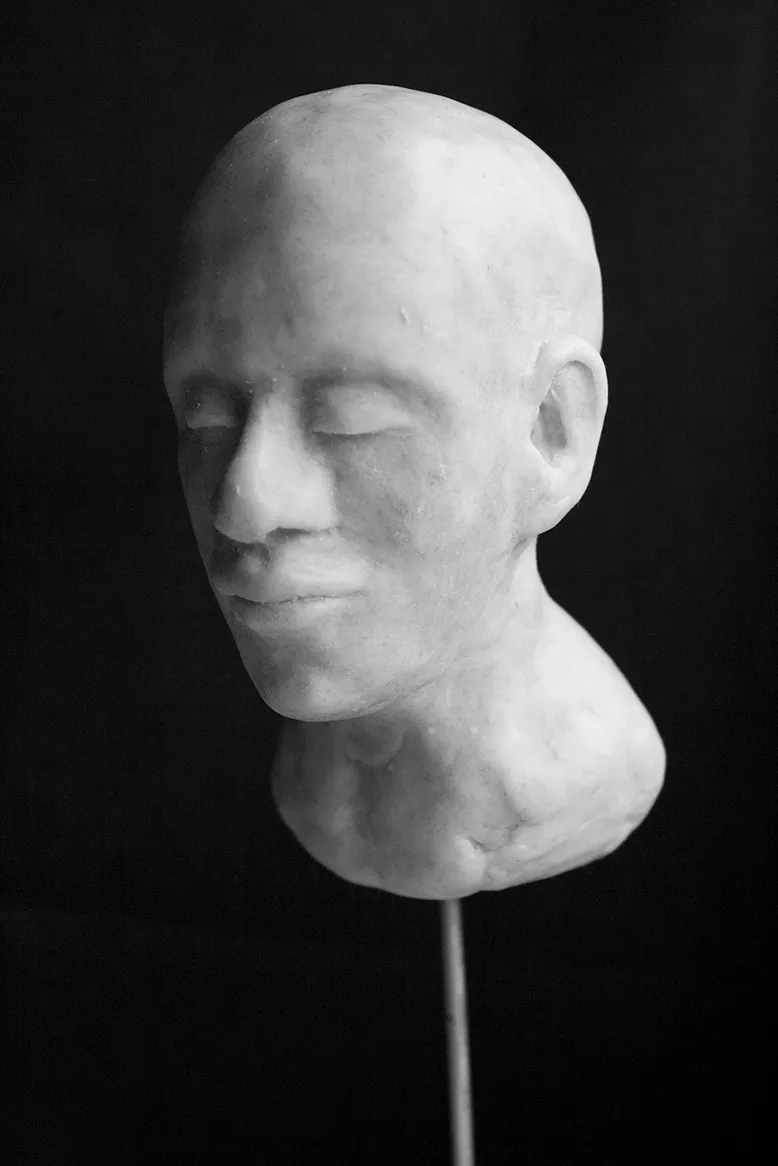


From life — proportion, value, patience. Four years at the Art Students League of New York: render what you actually see, not what you think you know. It's the observational discipline under every design decision I make.